

Cart
0
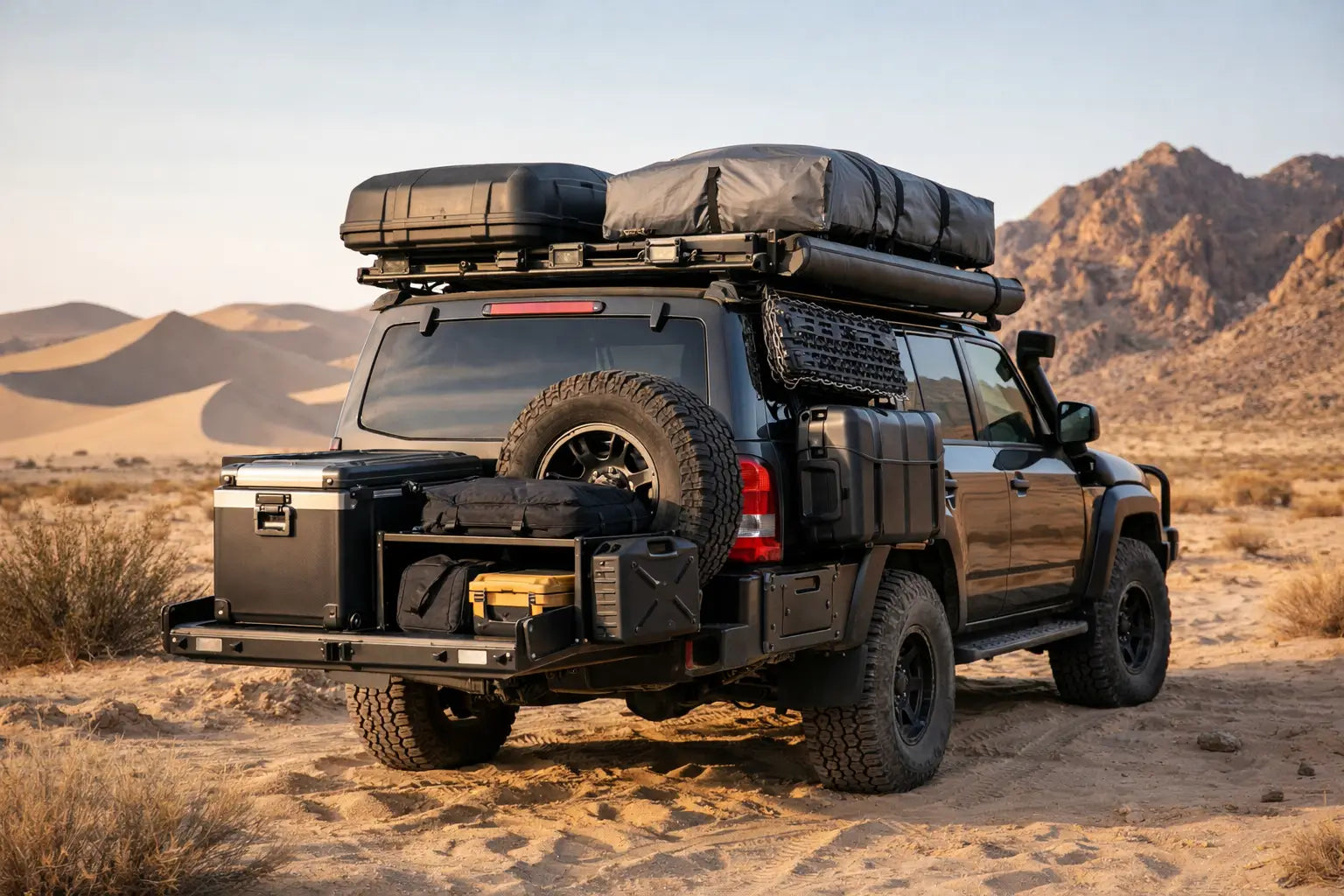
A washboard road can turn a loose camp kitchen into a box of broken gear before lunch. In the Arizona desert, overland storage systems are not about making a vehicle look organized at the trailhead. They keep critical equipment secure, reachable, and protected when heat, dust, vibration, and rough terrain start working against you.
The right setup depends on your vehicle, trip length, passenger count, and how far you travel from pavement. A weekend run to a dispersed campsite calls for a different loadout than a week in remote country. The goal is the same: carry what you need without burying the gear that can get you moving, hydrated, or sheltered when conditions turn.
Start With the Gear You Need First
Storage should follow use, not appearance. Before buying drawers, bins, mounts, or roof boxes, separate your equipment by how urgently you may need it. Recovery gear, first aid, fire extinguishers, communications equipment, and drinking water should never live beneath sleeping bags and cooking supplies.
Think through a real stop on the trail. If a tire loses air in loose rock, can you reach the compressor, tire repair kit, jack base, and tools without unloading half the vehicle? If a sudden windstorm starts pushing dust through camp, can you grab your shelter stakes, straps, and lighting quickly? Good organization reduces the time spent searching when daylight, weather, or vehicle position is working against you.
A practical setup usually keeps daily-use items near the tailgate or rear hatch, heavier recovery tools low and centered, and less frequently used camp equipment deeper in the cargo area. This also helps preserve vehicle handling. A high, rear-heavy load can make an already rough trail feel less predictable, especially in off-camber terrain.
Overland Storage Systems Need a Job
There is no single best system for every rig. Hard-mounted drawer platforms, modular plastic cases, soft bags, roof storage, seat-back panels, and bed systems all solve different problems. Choose components based on what they protect and how often you need access.
Drawer Systems for Heavy, Repeat-Use Gear
A drawer system creates a dedicated place for tools, recovery equipment, cooking gear, and other dense items. It is especially useful in SUVs and covered truck beds where gear needs to stay in place on uneven trails. Drawers also make it easier to access equipment without climbing into the vehicle.
The trade-off is weight and lost vertical space. Steel drawers can add a substantial amount of permanent weight before you load a single tool. In a desert travel vehicle already carrying fuel, water, passengers, and a spare tire, that matters. Look for secure latches, strong slides, and materials that will not loosen or rattle after repeated washboard miles. If you do not need drawer access on every trip, modular cases may be the smarter use of space.
Modular Cases for Flexible Loads
Hard cases and durable storage totes work well for drivers who use one vehicle for work, family life, range days, and overland trips. They can be removed, rearranged, and cleaned out without committing to a permanent build. Clear labels beat guessing. Mark cases by function, such as camp kitchen, recovery, medical, electrical, and dry food.
Not every plastic tote belongs in desert travel. Thin consumer bins can warp in heat, crack from trail vibration, or pop open when stacked under pressure. Choose cases with reinforced corners, solid latches, and lids that resist dust intrusion. Even then, secure them with tie-downs. A tough case becomes a dangerous projectile if it is not anchored.
Soft Bags for Awkward Spaces
Soft storage bags are useful for clothing, sleeping gear, gloves, straps, and other items that can tolerate compression. They fit around wheel wells and fill irregular space better than rigid boxes. They are also quieter, which is worth considering when a long dirt road has every loose item in the cabin rattling.
Use soft bags with purpose. They are not the place for loose tools, fuel fittings, sharp recovery hardware, or anything that needs crush protection. Color coding can help crews and families find the right bag without opening every zipper in the dark.
Plan for Heat, Dust, and Vibration
Desert conditions expose weak storage choices quickly. Heat can soften adhesives, degrade cheap plastic, damage batteries, and turn enclosed cargo areas into ovens. Dust finds its way into zippers, drawer slides, electronics, and food containers. Vibration slowly backs out fasteners and wears through straps.
Keep sensitive electronics, power stations, camera gear, medications, and food out of direct sun whenever possible. A roof box may free cargo space, but it is often the hottest place on the vehicle. It can be a good home for lightweight camp items, but not necessarily for heat-sensitive gear or anything needed quickly in an emergency.
Inspect mounting hardware regularly. Check drawer bolts, cargo tie-downs, roof rack mounts, and straps before each trip, then again after a long stretch of rough road. Desert travel rewards simple systems with fewer failure points. A complicated layout is only useful if it still works after dust, heat, and miles of vibration.
Keep Weight Low and Balanced
Storage is part of vehicle safety. Water, tools, batteries, recovery boards, spare parts, and food add up fast. Put the heaviest equipment as low as possible and close to the vehicle's centerline. In an SUV, that often means the forward section of the cargo floor. In a truck, it means keeping dense items forward in the bed rather than piled against the tailgate.
Roof storage has a place, but it should be used carefully. Bulky and lightweight items such as camp chairs, a ground tarp, or an empty rooftop tent ladder are better candidates than heavy toolboxes. Every pound above the roofline affects handling, fuel use, and stability on side slopes. It also makes trail clearance and parking garage access more complicated.
Do not forget axle limits and payload. A vehicle can look level and still be overloaded. Check your door-jamb payload rating, then account for passengers, fuel, water, installed accessories, and all cargo. Storage systems themselves count toward that number.
Build Access Zones Instead of One Big Pile
The most dependable overland storage systems create clear zones. One zone handles vehicle recovery and repairs. Another handles camp setup. A third covers personal gear, food, and clothing. Emergency equipment should remain separate from everything else.
For a typical desert loadout, your vehicle should have an accessible location for these essentials:
- First aid kit, fire extinguisher, communication device, and emergency water
- Tire repair kit, air compressor, recovery straps, shackles, and gloves
- Basic tools, spare fuses, fluids, and trail repair supplies
- Shelter, lighting, cooking equipment, and sleeping gear
Secure Everything for the Road Ahead
A drawer latch is not always enough. A closed tote is not always tied down. Every item should be secured for the possibility of a sudden stop, a steep descent, or a hard impact with a washout. Use rated tie-down points where available, and avoid relying on flimsy hooks, bungee cords, or improvised knots for heavy loads.
Watch for rubbing points. Straps can wear through on sharp bed rails, drawer corners, and rack edges. Add protective sleeves or reposition the load before a small abrasion becomes a failed tie-down. Keep fuel containers isolated from food and electronics, and store them upright according to their intended design.
A well-packed rig should be quiet. If something shifts, clunks, or rattles, find the cause before the next trail. Noise is often the first warning that a mount is loosening or gear is moving where it should not.
Make the System Easy to Reset
The best test of a storage setup happens after a trip, not before one. If repacking takes hours or requires a perfect game of cargo Tetris, the system is too complicated. Build around repeatable placement, simple labels, and containers you can carry from garage to vehicle without transferring gear multiple times.
Arizona Desert Gear customers know that desert readiness is built before the tires touch dirt. Set up your storage around the equipment you actually use, secure it for rough ground, and leave enough room to adapt when a normal weekend trip becomes a longer night outside.

