

Cart
0
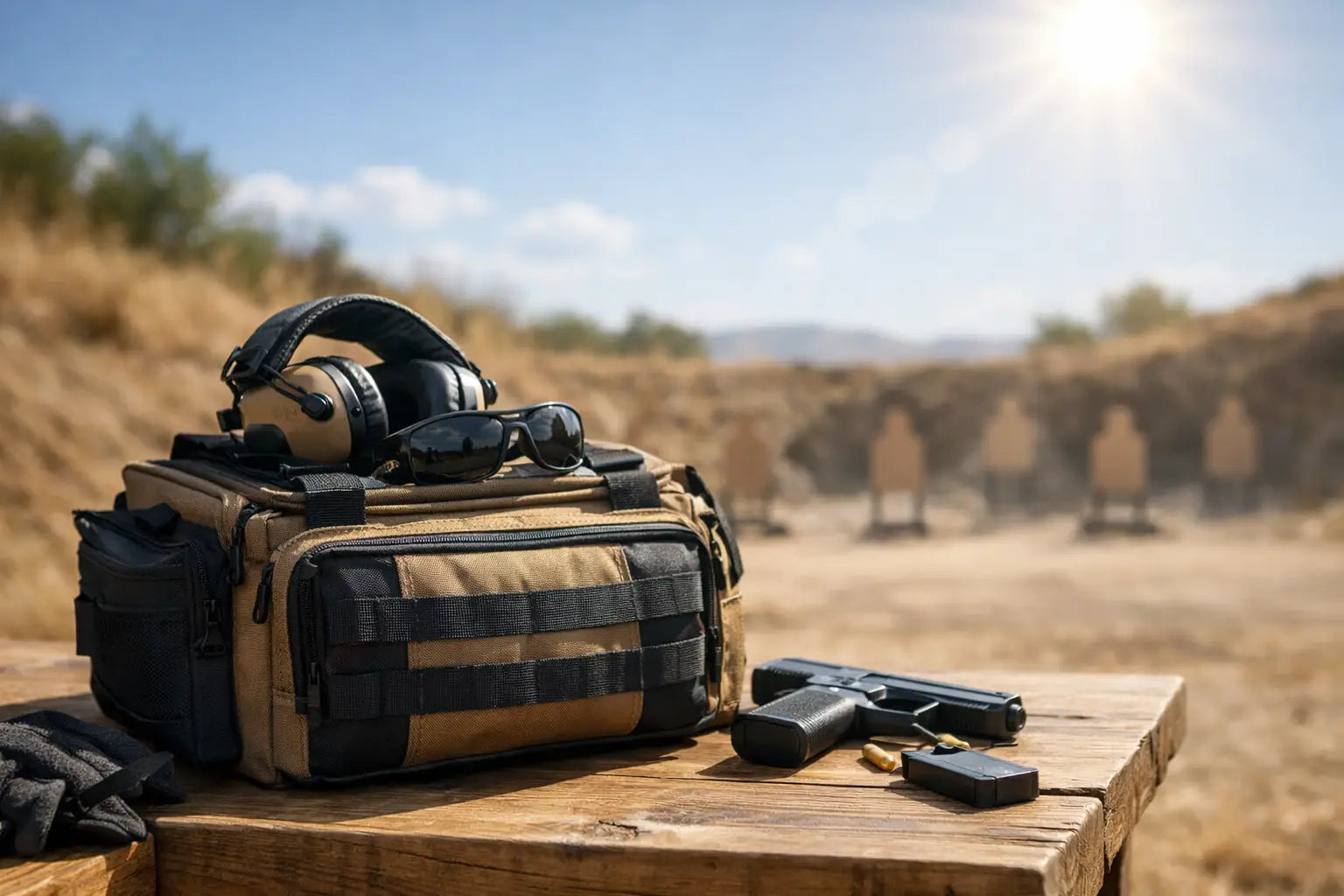
By mid-morning in Arizona, a bad bag starts showing its flaws. Zippers get gritty, dark fabric turns into a heat sink, and soft-sided storage that looked fine in the garage starts sagging under loaded mags, ammo, water, and eye pro. If you need a range bag for hot weather, the usual advice about size and pockets is not enough. In desert conditions, heat, dust, and hard use change what matters.
A good hot-weather range bag is not about looking tactical. It is about keeping your gear organized, protected, and easy to carry when the ground is hot, the sun is overhead, and you are moving from truck to bench more than once. That means material choice matters. Color matters. Structure matters. Even the way the bag opens matters more than people think.
What matters most in a range bag for hot weather
In cooler climates, a range bag can get away with being little more than a heavy tote with dividers. In the Southwest, that same bag can become a problem fast. Heat exposes weak stitching, cheap coatings, and thin fabrics. Dust finds its way into loose seams and oversized openings. Long walks across gravel or packed dirt turn poor handles and shoulder straps into a real annoyance.
The first thing to look at is fabric. You want material that holds shape under load and stands up to abrasion, but it also needs to handle prolonged sun exposure. Heavy-duty nylon is common for a reason. It resists wear, dries quickly, and usually offers a better balance of strength and weight than canvas. Canvas has its place, but in hot weather it can hold dust, absorb sweat, and feel heavier once it picks up grit and moisture.
Color is not just preference. Black bags are common, but they soak up heat. In direct sun, that can make the exterior uncomfortable to handle and raise the internal temperature faster. Lighter earth tones tend to make more sense in desert environments. Tan, coyote, ranger green, and similar shades hide dust reasonably well without turning into a solar collector.
Structure is another big one. A soft bag with no reinforcement may be fine when lightly packed, but once you add ammo boxes, loaded magazines, a stapler, batteries, tools, and water, it can collapse in on itself. That makes it harder to find gear and easier for items to shift around. A better bag has a reinforced base, decent sidewalls, and enough internal organization to keep heavy items where they belong.
Heat changes what you pack and how the bag should handle it
A range bag for hot weather usually carries more than shooting gear. In desert conditions, hydration and basic heat management are part of the loadout. That does not mean your range bag needs to replace a medical kit or full field pack, but it should have room for water, sunscreen, lip balm, and a small cooling towel without turning into a cluttered mess.
This is where layout matters more than maximum capacity. Big empty compartments look flexible, but they often become catch-alls. In hot weather, that leads to more time digging through a hot bag while standing in direct sun. Better organization means less exposure, less frustration, and less chance of leaving something behind on the bench.
Look for a main compartment that can handle bulk items, plus separate pockets for smaller essentials that need to stay clean and easy to reach. Eye and ear protection should not get crushed under ammo. Small tools should not float loose next to electronics. If you carry a shot timer, batteries, lens wipes, or a compact first-aid pouch, they need dedicated spots.
At the same time, too many tiny pockets can work against you. They add bulk, weight, and zipper count. Every extra zipper is another place for dust to build up or fail over time. The sweet spot is a bag with purposeful storage, not a maze of compartments you will never use.
The features worth paying for
Some bag features sound good in product copy but do very little on the range. Others make a real difference once temperatures climb.
A reinforced bottom is worth it. Hot gravel, rough concrete, truck beds, and dusty tailgates are hard on range bags. A tougher base helps the bag hold shape and adds a little separation from hot ground. It also extends the life of the bag if you are regularly setting it down on abrasive surfaces.
Quality zippers are another non-negotiable. Heat, dust, and repeated opening under load will expose cheap hardware quickly. Oversized pulls are useful, especially if your hands are sweaty or dusty. Double zippers can help, but only if the hardware is solid.
Carry comfort matters more in summer than many shooters expect. A padded shoulder strap helps if you have a longer walk from parking to firing line, but the attachment points need to be strong. Weak clips are a common failure point. Wrapped carry handles are just as important. If the bag is heavy and you are moving it often, thin handles get old fast.
External magazine pouches can be useful, but they depend on how you shoot. If you run drills and want fast access, they make sense. If your goal is cleaner storage and more dust protection, internal mag organization may be better. Open-top external pouches also collect dirt, so they are not always ideal in desert conditions.
A wide-opening lid is underrated. Being able to see the contents of the main compartment at a glance saves time and keeps you from unloading half the bag just to find one small part.
What to avoid in hot-weather range use
Some range bags are built to impress online and disappoint in the field. Thin walls, bargain zippers, glossy coatings, and floppy construction tend to show up in lower-end bags marketed around appearance more than use.
Avoid bags that are oversized for your actual range routine. Bigger is not always better. A huge bag invites overpacking, and overpacking means more weight, more clutter, and more time handling gear in the heat. If your normal setup is two pistols, mags, ammo, eye and ear protection, a multitool, and water, buy for that load, not for every possible scenario.
Be careful with overly dark colors if most of your shooting happens in open sun. Also think twice about bags with too much hook-and-loop paneling, too many exposed openings, or decorative features that add bulk without helping organization. In dusty environments, simpler usually ages better.
Rigid cases have their place, especially for protection in transport, but they are not always the best answer for a working range bag in hot weather. They can get heavy fast, take up more space in a vehicle, and make quick access less convenient. It depends on whether your priority is maximum protection or practical carry.
Size depends on how you actually shoot
The right size comes down to use case. If you shoot local pistol sessions and travel light, a compact to mid-size bag is usually the best move. It keeps essentials organized without becoming dead weight. If you shoot longer sessions, carry more ammo, or bring gear for multiple people, a larger bag can make sense, but only if it still has enough structure to stay manageable.
Think about where the bag will live. In a truck, in a side-by-side, or in the back of an SUV, shape matters almost as much as volume. A bag that fits neatly into a vehicle corner and opens cleanly on a tailgate is more useful than one that wastes space with awkward dimensions.
If you are regularly on outdoor public land or more remote desert shooting spots, durability should carry even more weight in your decision. Those trips tend to be harder on gear than a controlled indoor range or a covered firing line.
A practical setup for desert conditions
For most shooters in the Southwest, the best range bag for hot weather is a mid-size soft bag with a reinforced base, durable nylon construction, solid zippers, moderate internal organization, and comfortable carry options. Light or medium earth-tone colors usually make more sense than black. The bag should be easy to open, easy to clean out, and strong enough to carry dense weight without sagging.
You do not need every feature. You need the right ones. If a bag keeps ammo stable, protects small essentials from dust, carries comfortably, and does not fight you in the heat, it is doing its job. That is the standard to hold. Arizona Desert Gear customers usually know the difference between gear that photographs well and gear that survives a full day in the sun.
The best test is simple. Picture loading the bag at home before sunrise, hauling it from the vehicle across hot ground, opening it repeatedly with dusty hands, and packing it back up when everything is warmer, dirtier, and heavier than when you started. If the bag still sounds practical after that, you are probably looking at the right one.
When the weather is brutal, good gear does not need to be flashy. It just needs to work every time you reach for it.

