

Cart
0
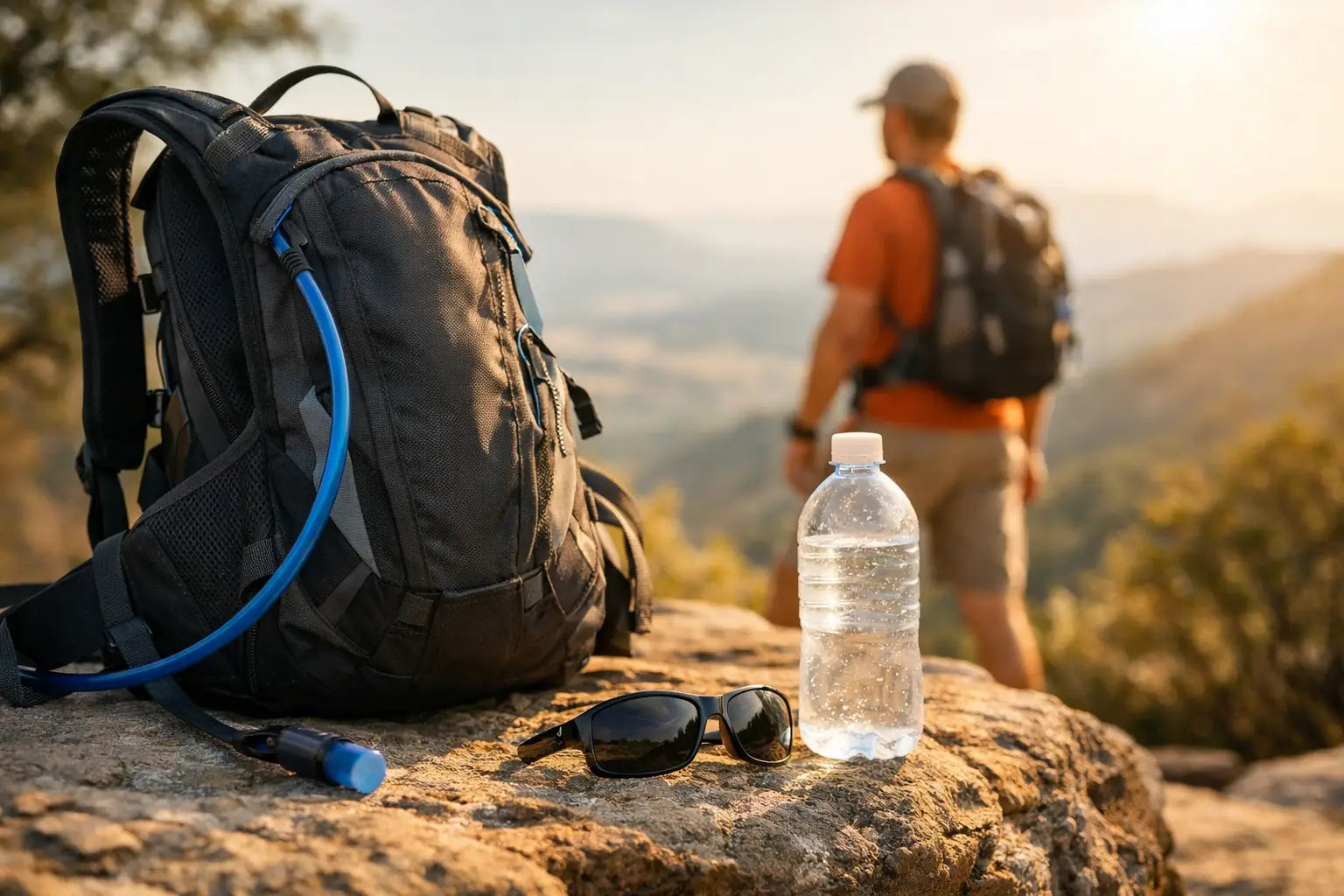
By midday in the desert, bad gear gets exposed fast. A cheap bladder turns water warm, a poorly ventilated back panel soaks your shirt, and a loose pack starts bouncing the minute the trail gets rough. If you are looking for the best hydration pack for hot weather, you are not really shopping for a trend item. You are choosing a piece of gear that has to carry water comfortably, stay usable in direct sun, and hold up when the heat is working against you.
In Arizona and across the Southwest, heat changes what matters. A hydration pack that feels fine in mild weather can become a liability when temperatures climb, shade is limited, and every extra ounce starts to count. The right pack is less about flashy features and more about smart design - enough water, solid airflow, stable fit, and materials that can handle dust, abrasion, and hard use.
What makes the best hydration pack for hot weather
The first thing to get right is capacity. In hot weather, especially in dry climates, small reservoirs run out faster than most people expect. For short hikes, range sessions, or trail rides, 2 liters may be enough if you are starting hydrated and not going far. For longer outings, exposed terrain, or any activity where refill options are uncertain, 3 liters is the safer baseline.
That does not mean bigger is always better. A larger reservoir adds weight, and water is already heavy. If the pack itself is bulky or overloaded with storage you do not need, it becomes harder to carry once the heat sets in. The best hydration pack for hot weather balances water capacity with a trim profile, so you carry what you need without turning the pack into dead weight.
Back panel design matters just as much as reservoir size. In extreme heat, full contact against your back traps sweat and raises discomfort fast. Packs with suspended mesh, channeled foam, or airflow-focused panels do a better job of reducing heat buildup. None of them make a pack feel cool in 110-degree weather, but better ventilation can make the difference between manageable and miserable.
Insulation is another point people overlook. In hot conditions, your water will warm up no matter what, but insulated sleeves, covered reservoirs, and insulated drink tubes slow that process. If you have ever taken a sip through a hose that sat in direct sun for an hour, you know why this matters. Tube covers are simple, but they help.
Fit matters more in rough terrain
A hydration pack that shifts around is annoying on a flat walking path. On rocky trails, in an off-road vehicle, or during movement-heavy use, it becomes a real problem. The pack should sit close to the body, with shoulder straps that do not dig in and a sternum strap that keeps the load stable. For larger loads or longer use, a waist strap helps transfer weight and keeps the pack from bouncing.
This is where use case matters. A day hiker may want more ventilation and light structure. An overlander or UTV rider may want a lower-profile pack that stays planted in the seat and does not snag. Someone using it for range work or tactical training may care more about stability, hose routing, and compatibility with other gear. There is no single perfect layout for every user, which is why the best choice depends on how you move and how long you stay out.
Fit also changes when you wear heavier clothing, chest rigs, or body armor. If that applies to you, do not assume a standard recreational pack will work well. You may be better served by a compact, purpose-built hydration carrier with simpler storage and a tighter profile.
The right storage is practical, not oversized
A lot of people buy too much pack. They start looking for hydration and end up with a mini backpack loaded with compartments, organizers, and straps they will never use. In hot weather, extra material means extra weight, more heat retention, and more surface area rubbing against your body.
If your main goal is carrying water for a hike, ride, or range session, keep storage focused. A few useful pockets for keys, a phone, a multitool, snacks, sunscreen, and basic first-aid supplies are usually enough. If you need more than that, you may be better off with a small daypack that includes hydration compatibility rather than a dedicated hydration pack.
Minimal does not mean bare-bones. It means the storage should match the mission. For desert use, quick access to electrolyte packets, a light, navigation tools, and a compact emergency item or two is more useful than a pile of admin pockets.
Materials that hold up in heat and dust
Hot weather is not just about temperature. Sun exposure, grit, and abrasion wear gear down faster than people expect. Thin fabric, weak zippers, and cheap bite valves often fail early when exposed to repeated desert use.
Look for durable nylon or similar abrasion-resistant fabrics, reinforced stitching in high-stress areas, and hardware that does not feel flimsy. Zippers should move cleanly without feeling undersized. Buckles should lock securely and hold tension when the pack is loaded.
The reservoir itself deserves scrutiny. A good bladder should be easy to fill, seal tightly, resist leaks, and clean without a fight. Wide openings help. So do designs that let the reservoir dry more completely after use. In hot climates, neglecting reservoir cleaning gets ugly fast.
Taste and heat retention are part of the equation too. Some low-end reservoirs give water a plastic taste, especially after sitting in the sun. Better materials reduce that issue, though no bladder performs well if it is left baking in a vehicle all afternoon.
Choosing the best hydration pack for hot weather by activity
For hiking and fast-moving desert trails, a lightweight pack with strong airflow and a 2-liter or 3-liter reservoir is usually the right call. You want stability, low bounce, and enough room for basic essentials. Too much bulk slows you down and builds heat.
For overlanding, off-road travel, and camp use, comfort in and out of the vehicle matters more. A slightly more structured pack with practical storage works well here, especially if you keep it loaded as a grab-and-go kit. In that setup, insulation and ease of refill matter because the pack may sit in heat between uses.
For range days and tactical use, a lower-profile carrier often makes more sense than a hiking-style pack. You may not need much cargo space, but you do need a pack that stays put, routes cleanly, and does not interfere with movement or other equipment.
For casual use in extreme summer heat, simple is often best. A lighter pack with a dependable reservoir and decent ventilation will get used more often than a larger, feature-heavy model that feels like a chore to wear.
Common mistakes when buying a hydration pack
The most common mistake is buying for mild weather and hoping it translates to desert use. It often does not. A pack that works in shaded forests or cool mornings may fall short in exposed terrain where water demand is higher and heat management matters more.
Another mistake is ignoring refill reality. If your route has no dependable water source, a small reservoir is a gamble. The opposite mistake is carrying an oversized pack for short sessions and making yourself hotter than necessary.
People also underestimate hose and valve quality. A bad bite valve leaks, drips, or becomes frustrating to use when you are already hot and moving. A covered tube and secure routing points are worth having.
Finally, many buyers focus on storage features and overlook carry comfort. In hot weather, the best pack is the one you can wear for hours without constant adjustment.
What to prioritize before you buy
Start with capacity based on real exposure time, not optimistic plans. Then look at ventilation, fit, and reservoir quality before you worry about extra pockets. If you are in the Southwest, choose gear that is built for heat, dust, and repetitive hard use, not just general outdoor use.
That is where a specialized retailer matters. Arizona Desert Gear speaks to buyers who are not guessing about climate. They need equipment that makes sense for desert hikes, range work, off-road travel, and long hot days where failure is not a minor inconvenience.
A hydration pack should make staying ahead of the heat easier, not more complicated. When you choose one that fits your terrain, your load, and the way you actually use it, you stop thinking about the pack and focus on the ground in front of you.

