

Cart
0
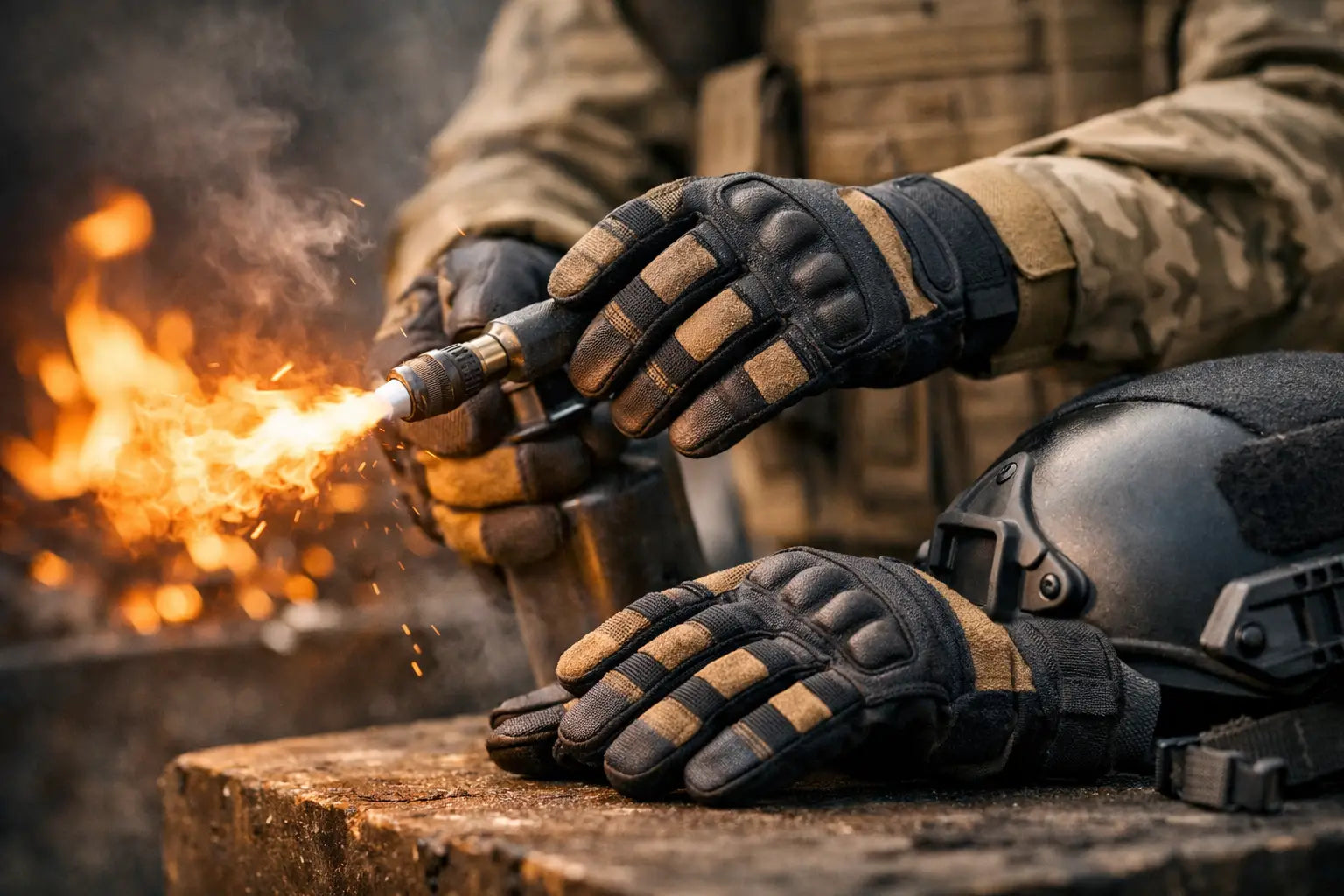
Grab a hot recovery strap at noon in Arizona, brush against a sun-baked exhaust shield, or clear gear off a tailgate that has been cooking for hours, and bad gloves show their limits fast. Heat resistant tactical gloves are not just about shielding your hands from extreme contact heat. In the desert, they also need to manage sweat, maintain grip, resist abrasion, and stay usable when dust, rough terrain, and long hours are part of the job.
That is where a lot of buyers get tripped up. A glove can look tactical, feel tough in the package, and still be the wrong choice for hot-weather field use. If you spend time on the range, on the trail, around vehicles, or working in exposed Southwestern conditions, the right pair comes down to balancing protection with dexterity and comfort.
What heat resistant tactical gloves actually need to do
The phrase sounds simple, but heat resistance covers more than one kind of exposure. In real use, most people are not handling open flame for extended periods. They are dealing with brief contact against hot metal, friction heat from ropes or tools, radiant heat from sun-soaked surfaces, and ambient heat that turns ordinary gloves into sweat traps.
A good glove for these conditions needs to buy you time. It should reduce the chance of a quick burn when you touch something hotter than expected, and it should let you keep control of your hands when everything around you is running warm. That is different from a bulky firefighting glove or a heavy insulated work glove. Tactical use usually demands faster hand movement, trigger discipline, better feel, and less fatigue over a long day.
That trade-off matters. The more material and insulation you add, the more heat protection you may gain, but you usually lose dexterity. The thinner and more agile the glove, the less contact heat it can tolerate. There is no magic glove that does everything equally well.
Why desert conditions change the buying decision
In Arizona and across the Southwest, heat is not a side factor. It shapes how gear performs from the minute it leaves the truck. Gloves that feel fine in mild weather can become clammy, stiff, or slippery once the sun is beating down and dust starts sticking to sweat.
That is why desert-ready gloves need to manage several problems at once. First, they have to resist enough heat to handle hot gear, hardware, and surfaces. Second, they need breathable construction so your hands are not soaked after an hour. Third, they need dependable grip when palms are damp and conditions are dirty. Finally, they need enough toughness to survive repeated abrasion from tools, steering wheels, recovery gear, rock, and rough ground.
For a lot of users, the failure point is not a dramatic burn. It is reduced control. If a glove gets slick with sweat, bunches at the fingers, or traps so much heat that you want to pull it off every twenty minutes, it is not doing its job.
Key materials in heat resistant tactical gloves
Materials tell you a lot about how a glove will behave in hot conditions. Leather remains one of the most reliable options for contact heat and abrasion. Quality leather palms and reinforced high-wear zones hold up well against rough use and give better heat buffering than many lightweight synthetic fabrics. The downside is that full leather construction can feel warmer and may dry slower after heavy sweat.
Synthetic blends can improve flexibility and ventilation. Many modern tactical gloves use stretch fabrics across the back of the hand with reinforced synthetic leather or suede in the palm. This setup often works well for range use, driving, and general field tasks because it keeps mobility high. The catch is that not all synthetics handle heat equally. Some are excellent for grip and dexterity but less forgiving when touching hot metal.
Aramid fibers, often used in cut- and heat-resistant gear, can add another layer of protection. These materials make sense if your use includes higher friction or more exposure to hot surfaces. Still, gloves built around heavy protective liners can feel thick, and thickness affects fine motor control.
The best choice depends on what kind of heat you actually face. For handling recovery gear, vehicle parts, and hot equipment in the desert, a leather-reinforced glove with breathable panels often lands in the sweet spot.
Fit matters more than most people think
Even strong materials cannot save a bad fit. Gloves that are too loose reduce control, create hot spots, and make it harder to grip tools or gear cleanly. Gloves that are too tight can restrict movement, worsen hand fatigue, and hold sweat against the skin.
A proper fit should feel secure through the palm and fingers without compressing your hand. You want full closure when gripping, clean trigger finger movement if you are using them on the range, and no extra material hanging at the fingertips. In hot weather, this becomes even more important because sweaty hands make sloppy gloves feel worse.
Closures matter too. A solid wrist closure helps keep out dust and prevents shifting during active use. At the same time, it should not trap heat so aggressively that your hands feel cooked by midday. Low-profile hook-and-loop closures usually strike a practical balance.
Where protection should be built in
Not every part of the glove needs the same level of defense. The palm, fingertips, and thumb saddle usually take the most abuse, especially when handling straps, tools, steering wheels, firearms, and rough gear. Reinforcement in these zones adds useful durability and heat buffering without turning the whole glove into a brick.
Knuckle protection depends on your use case. If you are riding, crawling around vehicles, or moving through rough terrain, molded or padded knuckles can make sense. But extra top-side armor adds bulk and can make a glove hotter. If your main priority is trigger feel, dexterity, and lighter field tasks, you may be better off with a lower-profile build.
Seams also deserve attention. Weak seams are one of the fastest ways to ruin a glove in hard use. Reinforced stitching in high-stress zones helps the glove keep its shape and function when it is being flexed, pulled, and exposed to dust and heat over time.
Best use cases for heat resistant tactical gloves
For range days, you want a glove that protects against hot surfaces and repeated handling without killing dexterity. That usually means moderate heat resistance, solid grip, and a snug fit with enough trigger control to stay safe and precise.
For off-road recovery and vehicle work, durability and contact heat matter more. Recovery shackles, straps, sun-baked metal, and rough hardware are hard on gloves. In that setting, stronger palm reinforcement and better abrasion resistance often beat ultra-light designs.
For camping, overlanding, and general desert utility, versatility is the goal. You may be setting up camp, moving fire gear, handling tools, and driving all in the same day. A glove that breathes reasonably well while still offering dependable protection against hot surfaces is usually the better long-term pick.
For heavier-duty technical tasks, especially where cut resistance or repeated contact with hot equipment is likely, it may be smarter to step up into a more specialized glove rather than forcing a lightweight tactical model to do a job it was not built for.
What to avoid when buying
A lot of gloves are sold on appearance first. Hard knuckles, aggressive styling, and tactical branding do not automatically mean useful heat protection. If the materials are thin, the grip is poor, or the fit is sloppy, looks will not help when you grab something hotter than expected.
Be careful with gloves that promise everything at once. Maximum dexterity, maximum heat resistance, maximum breathability, and maximum impact protection rarely live in the same package without compromise. Honest gear makes trade-offs.
You should also be cautious with overly insulated gloves in desert conditions. More padding can sound better on paper, but in real heat it can turn your hands into ovens. If you are constantly taking the gloves off to cool down, you lose the protection anyway.
How to tell a glove is right for your environment
Start with your most common tasks, not your worst-case fantasy scenario. If you mostly shoot, drive, handle gear, and work around vehicles in hot weather, choose a glove built for repeated real-world use instead of one designed around rare extreme exposure. Look for reinforced palms, reliable grip, breathable back panels, and materials with proven heat and abrasion performance.
Then think about duration. A glove that feels acceptable for ten minutes may be miserable after four hours in direct sun. Long-wear comfort matters in the desert because fatigue changes how you handle equipment.
At Arizona Desert Gear, that is the filter that matters most - not hype, but whether the glove makes sense for the kind of heat, dust, and hard use you actually deal with.
The right pair should let you work, drive, shoot, recover, and handle hot gear with confidence, without making your hands feel like they are wrapped in oven mitts. Buy for the environment you live in, and your gloves will stop being an afterthought and start being one of the pieces of gear you count on every time you head out.

