

Cart
0
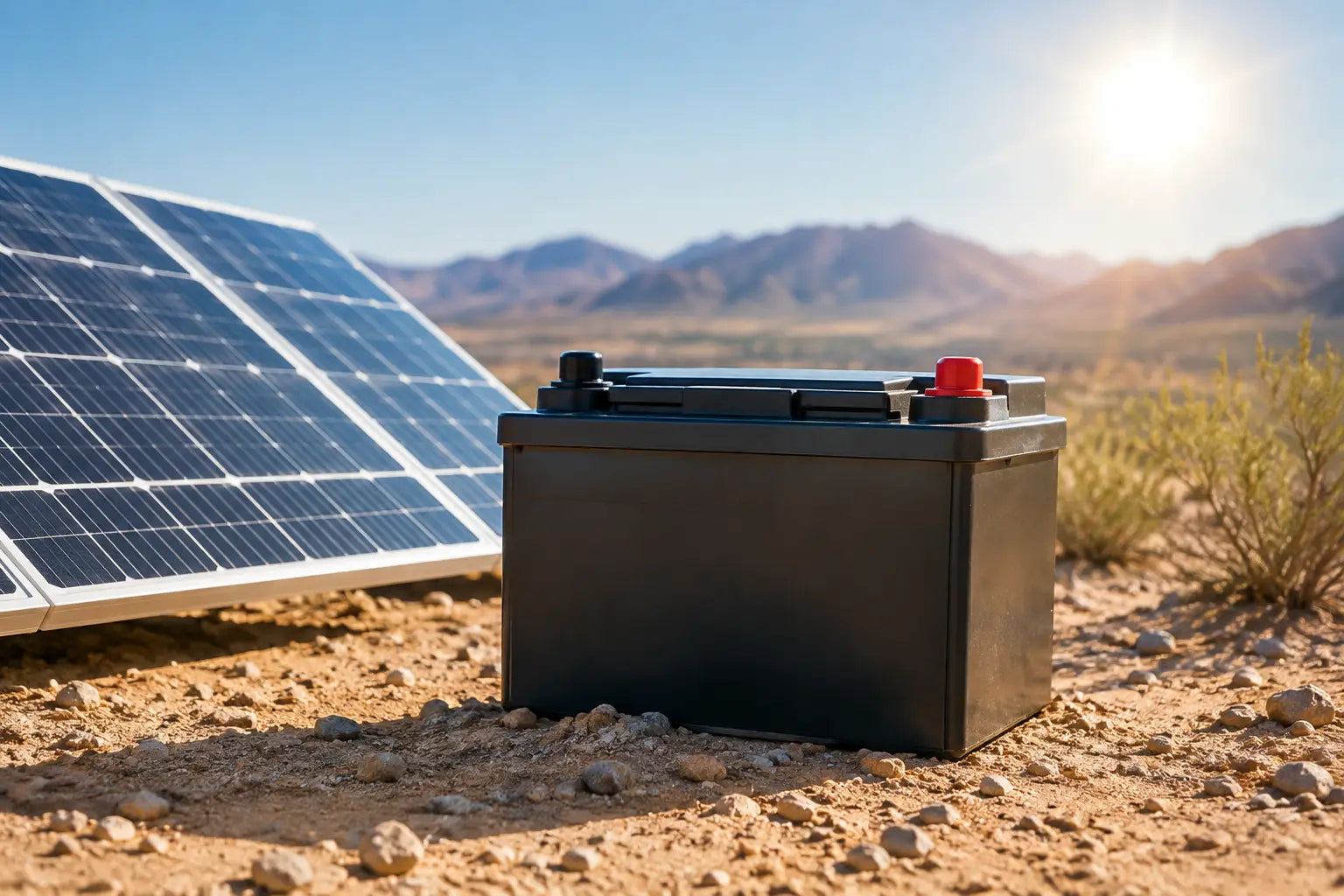
A battery left on a truck dash in July is not being tested gently. Cabin temperatures can climb far beyond the outside air temperature, and direct sun turns metal cases, gear boxes, and battery compartments into heat traps. So, can batteries survive desert heat? Usually, yes - for a while. But sustained heat shortens their working life, reduces usable capacity, and can turn a dependable power source into dead weight when you are miles from pavement.
For Arizona camping, overlanding, range days, and off-road travel, the goal is not finding a battery that ignores heat. No battery does. The goal is choosing the right type, keeping it out of direct sun, and planning for the way desert heat changes performance and safety.
Can Batteries Survive Desert Heat in Real Use?
Most batteries can operate in hot weather within limits. The problem is prolonged exposure, especially when a battery is charging, powering a heavy load, or sealed inside a vehicle. Heat speeds up the chemical reactions inside a battery. That can briefly make a battery feel more capable, but the long-term result is faster wear.
A useful rule for desert gear is simple: heat may not kill a battery today, but it can take months or years off its service life. The hotter it runs and the longer it stays hot, the more that rule applies.
Desert heat is especially hard on batteries because it rarely arrives alone. A vehicle battery deals with engine-bay heat. A flashlight battery may sit in a closed pack against warm gear. A power station may charge from a solar panel while its internal cells are already hot. Dust can block vents and cooling fins. High electrical demand from a fridge, air compressor, recovery gear, radio, or camp lighting adds more heat from within.
Check the operating and charging temperatures printed by the battery or device manufacturer. Those limits matter more than broad claims such as "all-weather" or "extreme temperature." Many lithium batteries can discharge in high heat, but their allowed charging range is often lower. Charging a hot battery is where avoidable damage and safety issues begin.
Which Battery Types Hold Up Best?
Battery chemistry matters, but so does the product around it: the case, terminals, battery management system, venting, and charger. Here is what desert users should expect from common battery types.
Lead-acid vehicle and deep-cycle batteries
Traditional flooded lead-acid batteries, AGM batteries, and gel batteries remain common in trucks, side-by-sides, trailers, and auxiliary power setups. They tolerate hot climates reasonably well in the short term, which is one reason they have remained a practical vehicle choice for decades.
Their weak point is lifespan. High heat accelerates water loss and internal corrosion in flooded batteries. AGM units are sealed and low-maintenance, but they are not immune to heat-driven aging. Under-hood temperatures and long parking periods in the sun are hard on all of them.
For a starting battery, buy a quality unit rated for your vehicle and inspect it before summer. Clean corrosion from terminals, make sure hold-down hardware is tight, and test the battery rather than waiting for the first no-start at a trailhead. A battery that is marginal in March may fail by August.
Lithium-ion batteries in tools, lights, and electronics
Lithium-ion packs offer excellent energy density and low weight. That makes them useful in rechargeable flashlights, headlamps, radios, GPS units, camera gear, cordless tools, and compact power banks. They can work well in desert conditions, but they need more deliberate handling than many people give them.
Do not leave loose lithium packs in direct sunlight, on a dashboard, or in a closed vehicle for days. Avoid charging them immediately after they have been sitting in extreme heat. Let the pack cool in the shade first, then charge it on a stable surface with the correct charger.
If a lithium battery becomes swollen, leaks, smells unusual, feels excessively hot, or has a damaged case, take it out of service. Do not tape it up and toss it back in the kit. A damaged lithium battery is not field-expedient gear.
LiFePO4 batteries and power stations
Lithium iron phosphate, usually labeled LiFePO4, is a popular choice for portable power stations, solar setups, and vehicle auxiliary batteries. It is valued for long cycle life and good thermal stability compared with many conventional lithium-ion chemistries.
That does not mean it is desert-proof. A LiFePO4 power station still needs airflow, shade, and room around its vents. Solar charging can be useful in the desert, but a power station baking beside the panel is a poor setup. Put the panel in the sun and the battery unit under shade, using an appropriately rated extension cable if needed.
Look for a unit with a battery management system that monitors cell temperature and stops charging when conditions are outside safe limits. That protection is worthwhile, but it is not a reason to ignore placement and ventilation.
Disposable alkaline batteries
Alkaline AA, AAA, C, D, and 9-volt batteries remain useful for backup lights, weather radios, trail cameras, and simple equipment. They generally tolerate heat better than cold when it comes to immediate output, but heat speeds up self-discharge and increases the chance of leakage over time.
For a vehicle emergency kit, keep spare alkaline cells in a hard case out of direct sun. Rotate them periodically, and do not leave them installed in seldom-used devices for years. A leaking battery can ruin a good headlamp or radio faster than a dead one.
The Desert Conditions That Cause Battery Failure
The air temperature on the forecast is only part of the picture. A 105-degree day can produce much higher temperatures inside a cab, cargo box, tent, or black plastic case. Direct sun, poor airflow, and hot surfaces create the conditions that do the real damage.
High draw is another factor. Running a fridge, inverter, winch, compressor, or multiple electronics from an auxiliary battery can generate significant internal heat. If the battery compartment is tight, that heat has nowhere to go. A larger battery with adequate cable sizing and proper ventilation is usually more dependable than forcing a small setup to run at its limit.
Charging deserves extra attention. Vehicle alternators, solar controllers, wall chargers, and DC chargers each have their own behavior. A charger that is compatible with the battery chemistry is mandatory. Temperature compensation is especially useful for lead-acid systems, while lithium systems need a properly matched charger and battery management protection.
Practical Ways to Protect Batteries in Desert Heat
Start with location. Store batteries low in the vehicle or inside an insulated gear box that stays out of sun, but do not seal a battery or power station into an airtight container while it is in use. Insulation slows heat gain; it does not remove heat already generated by charging or heavy discharge.
Use shade whenever possible. A reflective windshield shade helps reduce cabin heat, but it does not make a parked vehicle safe storage for sensitive electronics. Take removable battery-powered gear with you, or place it in a cooler interior environment when practical.
For trips, carry redundancy based on the consequences of failure. A handheld GPS, headlamp, satellite communicator, and primary vehicle starting system should not all depend on one small power bank. Separate critical functions across different power sources and keep at least one simple backup that uses common batteries.
Before heading out, check these four basics:
- Inspect cases, cables, terminals, and connectors for damage, corrosion, swelling, or loose fit.
- Confirm your charger matches the battery chemistry and voltage.
- Test vehicle and auxiliary batteries under load, not just with a quick voltage reading.
- Pack spare cells and power banks in a protected case away from direct sun and loose metal objects.
When Heat Damage Means the Battery Is Done
A battery that merely feels warm after normal use is not automatically bad. A battery that is too hot to handle, visibly swollen, leaking, venting, cracked, or unable to hold a charge should be treated as failed. Disconnect it safely if possible, keep it away from flammable material, and follow local recycling or hazardous-waste guidance for disposal.
For vehicle batteries, slower cranking, repeated need for a jump-start, terminal corrosion, and a battery case that looks bloated are all warning signs. For rechargeable packs, sharply reduced runtime or unexpected shutoffs under a normal load often show that heat and age have caught up with the cells.
Desert-ready power is less about chasing a magic battery and more about giving proven equipment a fair chance. Buy the right chemistry for the job, keep it shaded and ventilated, and do not make a hot vehicle your long-term battery locker. When the temperature is climbing and your route gets remote, that discipline is part of the gear.

