

Cart
0
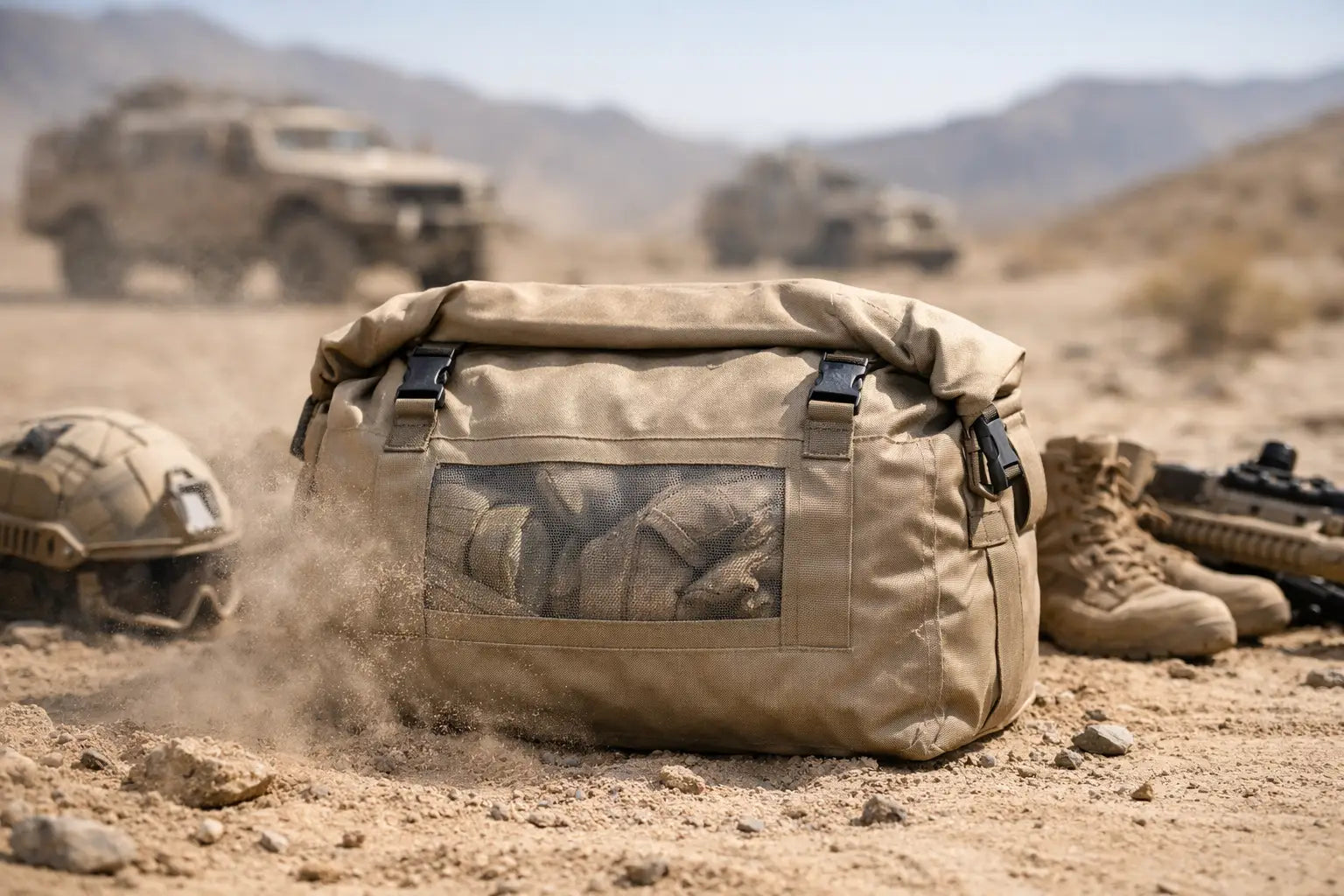
A fine layer of desert dust can get into more than boots and floor mats. It works its way into recovery straps, camp cookware, spare clothes, optics cases, electronics, and the small pieces of gear that always seem to disappear when you need them. A dust proof storage bag gives that equipment a dedicated barrier between trips, while keeping it packed in a way that makes sense when the truck is loaded and daylight is short.
For Arizona trails, range days, overlanding routes, and garage storage, the right bag is not about making gear look tidy. It is about reducing cleanup, protecting critical equipment, and knowing where your essentials are before you head into rough country.
What a Dust Proof Storage Bag Should Actually Do
“Dust proof” gets used loosely. No soft-sided storage bag is a magic vault, especially after repeated use on washboard roads or in a dusty truck bed. A quality bag should limit dust intrusion through its fabric, seams, closure, and zipper area. It should also keep the dirt already on one piece of gear from spreading across everything else.
That distinction matters. A bag used inside a vehicle, cargo box, drawer system, or garage does not need the same level of sealing as one riding unsecured in an open UTV or truck bed. For most field gear, a durable zippered bag with a covered zipper and tightly woven fabric provides useful protection without adding the bulk of a hard case.
The best setup depends on what you are protecting. Soft goods such as gloves, base layers, rain shells, and camp towels benefit from breathable storage that prevents dust buildup. Electronics, medical supplies, batteries, maps, and sensitive optics accessories may need a more tightly sealed pouch or an additional inner bag. Dust control is one part of protection. Heat, moisture, crushing force, and fast access still matter.
Choose Materials That Hold Up in Desert Use
A storage bag spends much of its life getting dragged across tailgates, shoved under seats, or stacked under heavier equipment. Thin promotional-style bags may work on a closet shelf, but desert travel exposes weak stitching, light zippers, and flimsy fabric fast.
Look for dense polyester, nylon, canvas, or similarly abrasion-resistant fabric. A coated interior or water-resistant exterior is useful when you are dealing with muddy recovery gear, a surprise monsoon, or condensation inside a cooler-loaded vehicle. Water resistance is not the same as waterproofing, but it can prevent a dirty wet item from soaking the rest of your loadout.
Stitching deserves the same attention as fabric. Reinforced seams and bar-tacked handles help when a bag is packed with tools, cookware, ammo-related accessories, or recovery equipment. If the bag has a clear panel or label area, make sure it is positioned where you can identify the contents when bags are stacked.
Color is practical, too. Coyote, tan, olive, gray, and black hide trail grime better than light colors. High-visibility interiors can make small items easier to find, though they will show dirt sooner. There is no wrong choice here. Pick the option that fits how you organize gear and how often you are willing to clean it.
The zipper is usually the weak point
A storage bag can have heavy fabric and still let dust in through a poor closure. Look for a smooth, durable zipper with a flap or garage at the end. Covered zippers provide another line of defense against airborne dust, and larger zipper pulls are easier to operate with gloves or cold hands.
For equipment that does not need constant access, roll-top bags and compression-style closures can reduce openings where dust enters. Their trade-off is speed. A wide zippered opening is better for a first-aid kit, cooking kit, or clothing bag you will use every day. A roll-top design makes more sense for spare layers, sleeping gear, or equipment that stays packed until needed.
Match the Bag Size to the Job
One oversized bag seems convenient until you are digging through it for a headlamp at camp. Smaller, purpose-built bags keep your system faster and cleaner. They also make it easier to move only what you need from the garage to the truck, or from the truck to a tent.
A practical field setup may separate gear by task: one bag for camp kitchen items, one for recovery equipment, one for spare clothing, and one for hygiene or medical supplies. If you carry range gear, keep cleaning supplies and protective equipment apart from loose tools or dusty boots. This prevents cross-contamination and cuts down on wasted time.
Avoid packing every bag to maximum capacity. Overstuffed bags strain zippers and seams, lose their shape, and are harder to close cleanly. Leave enough room to remove gear without pulling it through dirt at the opening. For heavier loads, use a bag with a structured base or move up to a hard-sided container.
Where a Dust Proof Storage Bag Works Best
Storage bags are most useful when they support a larger organization system. In an SUV or overland rig, place them in a drawer, cargo bin, or lidded tote rather than directly against an exposed cargo area. In a pickup, keep them in a bed box, topper, or covered storage solution whenever possible. The bag protects the contents, but it will last longer if it is not taking the full hit from sun, wind, and road grit.
At home, use bags to keep seasonal gear clean between trips. Sleeping bags, camp clothing, gloves, boonie hats, hydration accessories, and soft recovery gear can collect dust quickly in an Arizona garage. Keep stored bags off the floor if flooding, pests, or oil leaks are possible. A shelf or lidded bin adds another layer of protection.
For off-road travel, think about access order. Put frequently used bags near the top or by the tailgate. Store rarely needed backup gear lower in the load stack. A bag that is technically protected but buried under a cooler, spare parts, and camp furniture is not helping much when you need it in a hurry.
Do Not Use Soft Bags for Everything
A dust proof storage bag is a strong answer for soft goods, accessories, and organized kits. It is not the best choice for every piece of equipment. Fragile electronics, camera bodies, binoculars, sensitive measuring tools, and items that can be crushed should be carried in padded or hard protective cases. Fuel, chemicals, sharp tools, and loose metal parts should also be isolated so they cannot damage the bag or contaminate other gear.
Heat is another limitation. A storage bag will not protect batteries, medications, adhesive products, or heat-sensitive electronics from a vehicle baking in the Arizona sun. If an item should not be left in a hot cab or truck bed, the bag does not change that. Remove it, shade it, or use a temperature-appropriate storage method.
That is the no-nonsense approach: use soft storage for organization and dust control, then use hard protection or temperature management where the gear demands it.
Keep the Bag Working Between Trips
Dust control starts before you zip the bag shut. Shake out recovery straps, sweep loose dirt from cookware, and let damp gear dry completely before storage. Sealing wet clothing or wet camp equipment inside a bag creates odor, mildew, and corrosion problems that desert dust cannot compete with.
Clean the outside of the bag after particularly dirty trips. A brush, damp cloth, or light rinse is usually enough, depending on the material. Open and inspect zippers for embedded grit, then clear it before forcing the pull. Replacing a damaged bag is cheaper than replacing the gear it was supposed to protect, but basic maintenance goes a long way.
A dependable dust proof storage bag will not make desert travel clean. Nothing will. What it does is keep the mess contained, protect the gear that matters, and make your next departure faster. Pack by purpose, choose materials that can take abuse, and keep the equipment you rely on ready for the next stretch of dirt road.

