

Cart
0
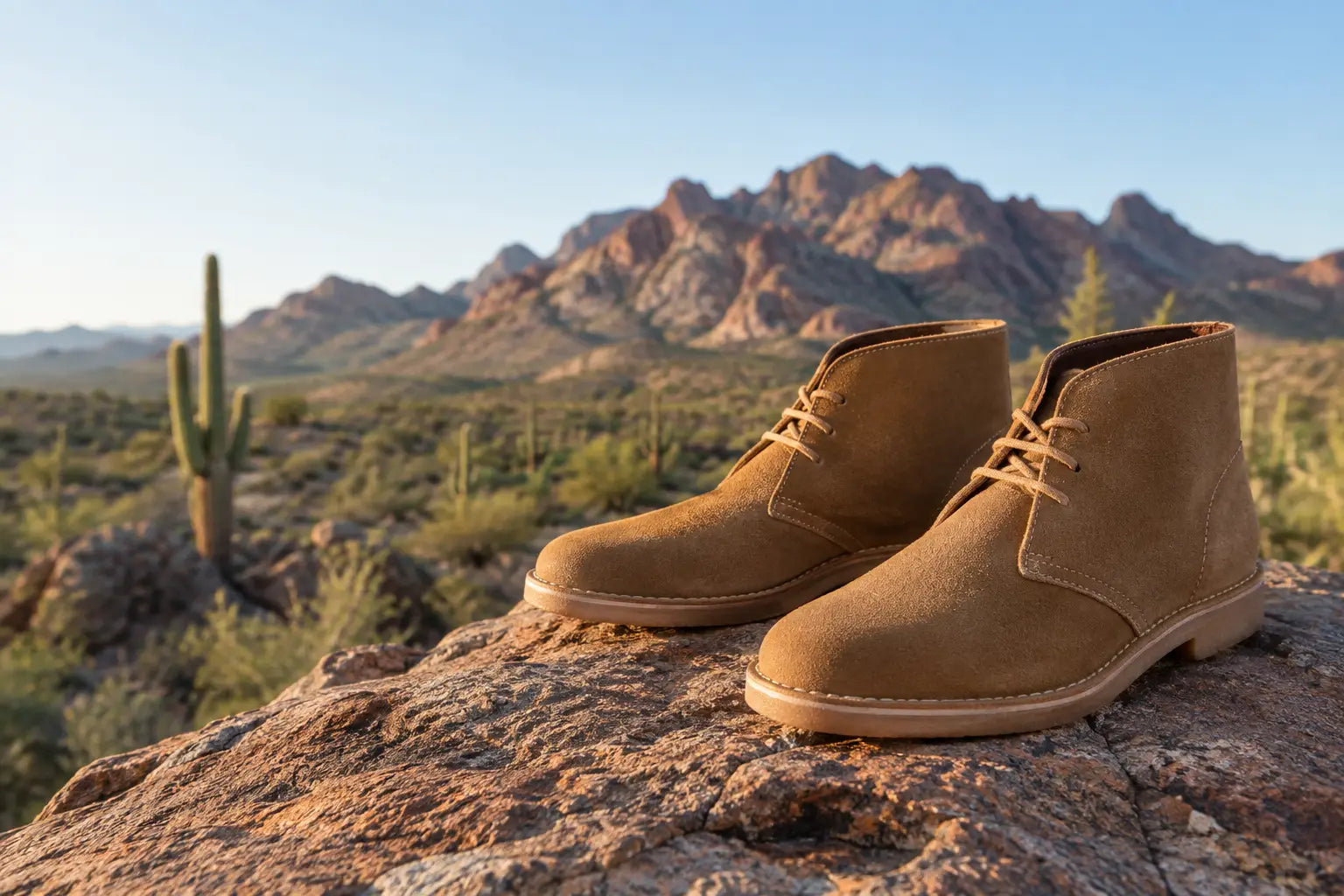
A desert boot that feels fine in an air-conditioned store can become a problem three miles into a rocky wash. Heat makes feet swell, sand works into every opening, and sharp rock finds the weak spot in a thin sole. Knowing how to choose desert boots means buying for the ground and the work ahead, not just the color or a tactical-looking profile.
For Arizona trails, range days, overlanding stops, and remote camp setups, the right boot needs to manage heat without giving up traction, stability, or protection. The best choice depends on how far you walk, how much weight you carry, and whether your route is mostly hardpack, loose sand, broken rock, or all three.
Start With Fit, Not the Boot Label
A boot labeled desert, tactical, hiking, or work boot is only useful if it fits your foot correctly. Fit is the first line of defense against hot spots, blisters, black toenails, and tired feet. Do not assume your usual sneaker size is the right boot size.
Try boots on later in the day, when your feet are closer to their field-size after heat and activity. Wear the same weight of sock you will use outside. Your heel should stay planted when you walk uphill or climb stairs, while your toes need enough room to spread and move without striking the front of the boot on descents.
A secure midfoot matters as much as toe room. If the laces cannot hold your foot in place without pressure across the top of it, the boot shape is wrong for you. Do not count on a long break-in period to fix a boot that pinches, slips at the heel, or crowds your toes. Good boots can soften with use; bad fit usually stays bad fit.
Check Width and Volume
Desert travelers often focus on length and overlook width. That is a mistake, especially for people with wide forefeet or high insteps. A narrow boot can restrict circulation and create painful pressure once your feet warm up. A boot with too much volume, on the other hand, lets your foot slide and can cause rubbing even when the length is correct.
Lace the boot fully, stand on an incline if possible, and walk for several minutes. Pay attention to the heel, ball of the foot, outside edge, and toe box. Those are the places rough terrain will expose quickly.
Choose Materials for Heat, Abrasion, and Dry Conditions
Full-grain leather offers excellent abrasion resistance, structure, and long-term durability. It makes sense for demanding work, rocky country, and users carrying heavier loads. The trade-off is heat retention and a longer break-in period. A heavily lined waterproof leather boot can be more boot than you need for a dry, hot Arizona summer.
Suede, rough-out leather, and synthetic textile panels are common in desert boots for a reason. They reduce weight, breathe better than smooth heavy leather, and handle dust well. Suede can look worn quickly, but cosmetic scuffs are not the same as failure. What matters is whether the stitching, panels, eyelets, and toe protection hold up.
For hot-weather use, look for durable uppers with breathable fabric sections in areas that do not take constant abuse. Thin mesh may vent well, but it can tear when scraped against volcanic rock, thorny brush, or vehicle hardware. A balanced design uses enough leather or reinforced synthetic material around the toe, heel, and lower sides to protect the boot where it takes hits.
Waterproof membranes deserve a careful look. They are valuable for wet grass, snow, mud, and repeated creek crossings. In dry desert heat, they can trap warmth and slow drying after sweat or an unexpected soak. If most of your use is in Arizona's dry season, a non-waterproof or quick-drying boot is often the more comfortable and practical choice.
How to Choose Desert Boots With the Right Sole
A desert boot sole needs traction, but the most aggressive tread is not automatically the best tread. Deep, widely spaced lugs grip loose dirt and shed mud, yet they can feel less stable on hard rock and wear faster on pavement. For mixed Southwestern terrain, look for a sole with defined lugs, a broad contact area, and rubber that grips dry rock without being overly soft.
Pay attention to the midsole and shank, not just the outsole. A firm midsole reduces foot fatigue when walking over jagged rock or standing for hours on a range. Too much stiffness, though, can feel clumsy for driving, scrambling, or everyday camp work. Lightweight boots with flexible soles work well for short hikes and mobile use, while stiffer platforms earn their place on long approaches, uneven trails, and load-bearing days.
A protective toe cap is worth having if you regularly move around rocks, trailers, recovery gear, or camp equipment. Underfoot protection also matters. If you can easily feel every sharp stone through the sole during a store test, that boot may not be the right choice for long days on Arizona gravel and hardpan.
Consider the Terrain You Actually Cover
On loose sand and dry washes, a lighter boot with a flexible sole can be comfortable and efficient. On steep, rocky trails, a more supportive boot with a stable heel and firmer sole helps prevent ankle roll and foot fatigue. For off-road travel, consider how the boot performs around pedals as well as on the ground. An excessively bulky sole can make precise driving harder.
There is no single desert sole for every job. Buy for the surface that makes up most of your miles, then make sure the boot can handle the rougher sections you encounter along the way.
Pick a Height That Matches Your Work
Six-inch boots are the practical middle ground for many desert users. They provide meaningful ankle coverage, keep some debris out, and remain manageable for hiking, driving, and general camp use. They are a strong all-around option for day hikes, range work, and off-road trips.
Eight-inch boots provide more coverage and support when carrying a pack, working in brush, or moving through loose terrain. They can also help keep abrasion off the lower leg. The cost is more weight, more heat around the ankle, and potentially less freedom of movement.
Low hiking shoes can work for maintained trails and light travel, but they do little to block sand and offer less support when the route turns rough. If you regularly step off trail, carry gear, or work around uneven ground, a true boot is generally the safer choice.
Do Not Ignore Socks, Insoles, and Gaiters
Desert boot performance does not stop at the boot. A quality merino-blend or synthetic hiking sock moves moisture better than cotton and reduces friction when temperatures climb. Bring a spare pair on longer outings. Changing socks at midday can make a bigger difference than many people expect.
If the boot fits well but lacks enough arch support or cushioning for your foot, use an insole built for hiking or work boots. An insole should improve support without taking away needed toe-box space. Avoid stacking thick inserts into a boot that already fits tightly.
Low gaiters are useful in loose sand, decomposed granite, and brushy terrain. They keep debris from entering over the collar, which prevents the constant stop-and-shake routine that can ruin a good hike. They are especially useful with lower-cut boots, but they also help taller boots in deep sand.
Match the Boot to Your Primary Use
For trail hiking, prioritize fit, a stable sole, moderate ankle support, and enough underfoot protection for rock. For overlanding and off-road travel, a lighter six-inch boot with dependable traction and a sole that works around pedals is usually a better call than a heavy mountaineering boot.
For range use and tactical training, look for secure lacing, a durable toe, stable footing on gravel, and enough flexibility for kneeling, moving, and long periods on your feet. For work around vehicles, property, or campsites, abrasion resistance and toe protection may matter more than low weight.
If you need one boot for several roles, avoid chasing extremes. A mid-height, non-waterproof boot with reinforced uppers, a supportive but walkable midsole, and a grippy all-terrain outsole covers most desert use well. It may not be the lightest choice for a short trail or the toughest choice for heavy labor, but it will be more useful across the full range of weekend and field tasks.
Break Them In Before the Trip
Even boots that feel good out of the box need a real-world test. Wear them around town, on short walks, and during gear prep before trusting them on a backcountry route. Check for rubbing, lace pressure, heel movement, and sore spots after your feet have been warm for an hour or two.
Keep the uppers brushed free of dust, inspect the stitching and sole edges, and let wet boots dry naturally away from direct high heat. Desert sun can be hard on leather, adhesives, and synthetic materials alike. Basic care gives a good pair more service life.
The right pair should disappear from your attention while you are moving. Choose boots that fit your feet, your terrain, and the weight you carry, then put them to work before the route gets remote. Arizona Desert Gear is built around that same standard: dependable equipment chosen for conditions that do not forgive guesswork.

