

Cart
0
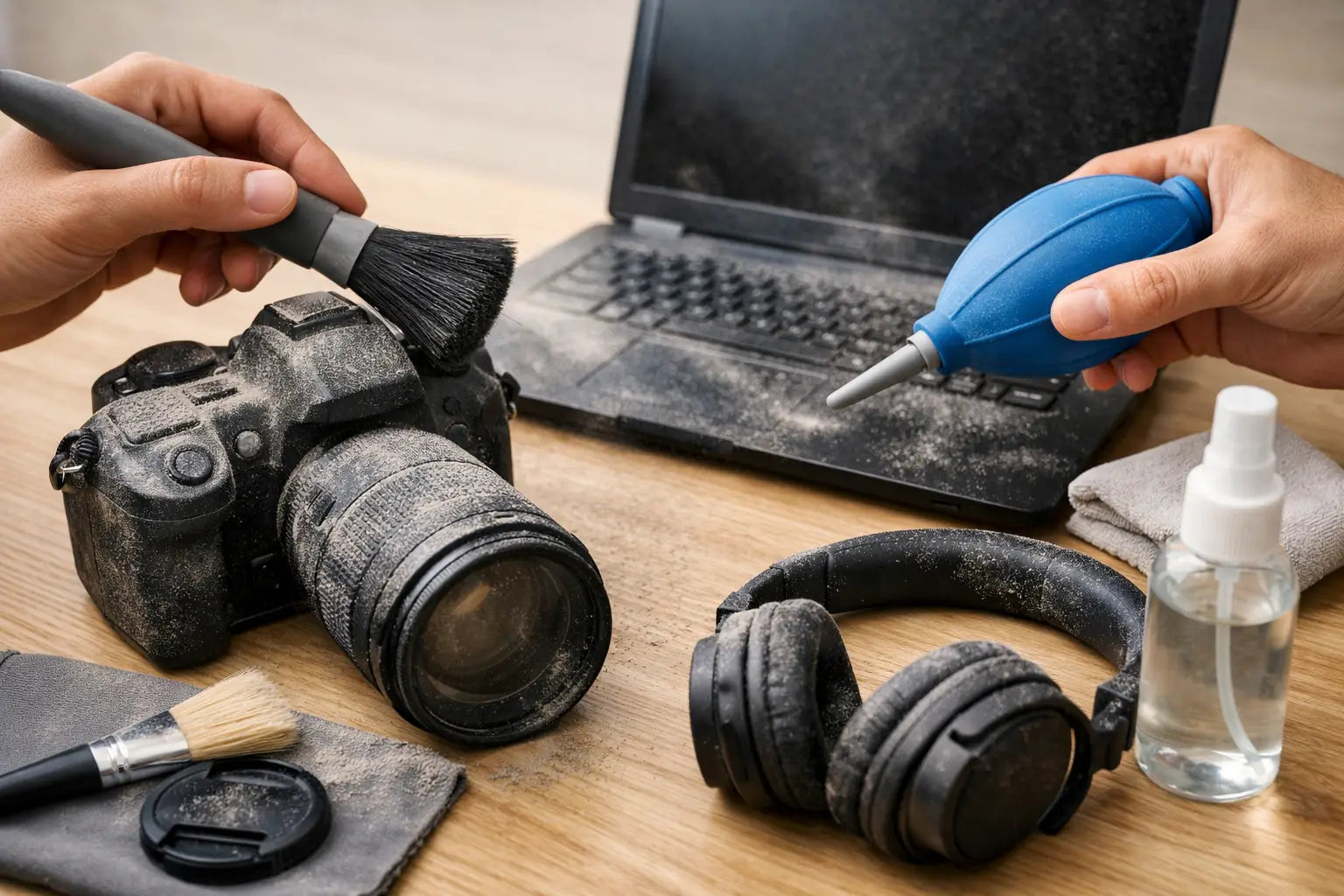
Desert dust is not just a cosmetic problem. Fine grit works into zipper teeth, hook-and-loop closures, optic caps, pack seams, firearm cases, vehicle recovery gear, and every other place you do not want abrasion. Knowing how to clean dust covered gear the right way keeps it working longer and prevents a quick cleanup from becoming the reason a zipper jams or a lens gets scratched.
The rule is simple: remove loose dust before you add water, cleaner, pressure, or friction. Wiping a dust-covered surface with a wet rag can turn dry grit into an abrasive paste. In Arizona conditions, that is an easy way to wear out coated fabric, plastics, lenses, and moving parts.
Start With a Dry, Controlled Cleanup
Bring gear into a shaded, well-ventilated area before you start. Direct sun can heat metal, optics, and synthetic materials fast, while wind can blow the same dust straight back into your work area. Lay down a clean tarp, old towel, or cardboard so you can see what is coming off and keep gear out of the dirt.
Shake out packs, pouches, jackets, sleeping bags, and soft cases outdoors first. Open every pocket, turn items upside down, and work closures slowly. A soft nylon brush, clean paintbrush, or detailing brush is useful for seams, webbing, buckles, and zipper tracks. Use light strokes. The goal is to lift grit out, not drive it farther into the material.
For hard gear, start with a dry microfiber cloth and a soft brush. A hand-operated air blower can help clear dust from tight spots on lights, radios, GPS units, and optics. Keep the nozzle back from the surface and avoid high-pressure compressed air. Canned air and shop compressors can force grit into seals, blast moisture onto components, or damage delicate switches and lens coatings.
If the gear came home from a range day, treat the dust with extra care. Range residue can include lead-containing particles and other contaminants. Wear disposable gloves, clean the item away from food-prep areas, and wash your hands thoroughly when finished. Do not use your household vacuum for heavily contaminated range bags or clothing unless it has proper filtration.
How to Clean Dust Covered Gear by Material
Different materials handle moisture and cleaners differently. One cleaning method does not fit every piece of equipment.
Packs, pouches, and tactical nylon
After dry brushing, use a damp microfiber cloth with plain water to wipe remaining dirt from nylon packs, chest rigs, pouches, and soft cases. For stubborn marks, add a small amount of mild soap to the water. Avoid bleach, harsh degreasers, and heavily scented laundry products. They can leave residue, weaken coatings, and affect water resistance.
Work one panel at a time and do not soak the entire pack unless the manufacturer specifically allows it. Pay attention to drain holes, seams, adjustment straps, and the inside of pockets where fine desert dust collects. Rinse your cloth often so you are not rubbing grit back into the fabric.
Let soft gear air-dry completely in the shade with pockets and compartments open. High heat can damage coatings, adhesives, foam padding, and elastic. A garage with airflow is better than leaving wet gear in the back of a truck under Arizona sun.
Zippers, buckles, and hook-and-loop closures
Zippers fail early when grit stays in the track. Brush the teeth with a dry, soft brush before opening and closing them repeatedly. If the zipper is still rough, wipe the track with a barely damp cloth, then let it dry. Use a zipper-specific lubricant only after it is clean. Lubricant applied over dust can make a grinding paste.
For buckles, rinse only if necessary after brushing out loose debris, then dry them open. Check for cracks, warped plastic, and sand trapped around release tabs. On hook-and-loop closures, use a stiff hook-and-loop brush or the edge of a plastic card to pull out grass, lint, and packed dust. Clean closures hold better and are less likely to peel open when you need them.
Boots, gloves, and desert apparel
Remove insoles and shake boots out before doing anything else. Brush the uppers, laces, tongue gussets, and outsole lugs with a boot brush. For leather, use a cleaner made for the type of leather and follow it with an appropriate conditioner if the material needs it. Over-conditioning can soften leather too much and attract more dust, so use only what the boot requires.
Synthetic boots and gloves usually need a damp cloth, mild soap, and thorough air-drying. Do not leave boots next to a heater or on hot pavement to dry. Excessive heat can shrink liners, warp soles, and break down adhesives. Wash dust-heavy clothing separately from regular laundry, with pockets emptied and closures secured. Avoid fabric softener on performance layers because it can leave a film that affects moisture management.
Optics, lights, electronics, and navigation gear
Lenses deserve the most patience. Never wipe a dusty lens with your shirt, glove, paper towel, or a dry shop rag. First use a blower or a very soft lens brush to remove loose particles. Then use a clean lens cloth and lens-safe cleaning fluid, applying the fluid to the cloth rather than directly to the lens.
For flashlights, headlamps, handheld radios, satellite communicators, and GPS units, brush around buttons, battery doors, charging ports, and seals. Wipe exterior surfaces with a lightly damp cloth, keeping moisture away from openings unless the device is rated for washing. Inspect O-rings and covers for trapped grit. A clean seal is what keeps the next rainstorm, water crossing, or dust storm from becoming an equipment failure.
Clean Firearm and Tool Gear Separately
Firearms, magazines, knives, multitools, and field tools need their own process. Dust on a sling or case is one thing. Dust inside a firearm action, folding tool pivot, or sheath can affect function.
Unload and clear firearms before cleaning, following the manufacturer’s instructions and safe handling practices. Use the correct cleaning tools and lubricants for the platform. Do not soak a dust-covered firearm in oil first. Brush away grit, wipe exterior surfaces, then clean and lubricate the action as required. Too much lubricant is not a desert solution - excess oil collects dust and can turn into sludge.
For knives and tools, brush hinges, locks, threaded sections, and sheath interiors. Wipe metal dry after cleaning, especially if sweat, moisture, or salt exposure is involved. Use a light protective coating on metal where appropriate, but keep oil off grips and contact surfaces that need traction.
Avoid the Fast Fixes That Cause Damage
A pressure washer can be useful for muddy recovery boards or certain vehicle-mounted equipment, but it is rarely the right answer for personal gear. High pressure can force water and grit through seams, into bearings, behind labels, and under protective coatings. It also strips lubrication from moving components.
Avoid these common shortcuts:
- Scrubbing dry grit with a rough towel or stiff wire brush.
- Spraying electronics, optics, or firearm actions with high-pressure air.
- Using household degreasers, bleach, or solvents on coated fabric and plastics.
- Packing gear away before it is fully dry.
- Applying lubricant before brushing dust out of moving parts.
Build a Simple Post-Trip Cleaning Kit
Keeping a small cleaning kit with your field gear makes the job easier when you get home. A few clean microfiber cloths, soft brushes, a hand blower, mild soap, lens cloths, disposable gloves, and zipper-safe lubricant cover most needs. Keep those supplies in a sealed bin so they are clean when you need them.
After cleaning, inspect gear before returning it to storage. Look for frayed webbing, cracked buckles, worn boot soles, damaged O-rings, loose fasteners, and zipper teeth that still catch. Dust often reveals wear that was hidden during the trip. Fixing a small issue at home is cheaper and safer than discovering it miles down a washboard road.
Good desert gear earns its place by working when conditions are rough. Clean it with the same practical mindset you bring to packing it: get the grit out, keep moisture where it belongs, and put every piece away ready for the next run.

