

Cart
0
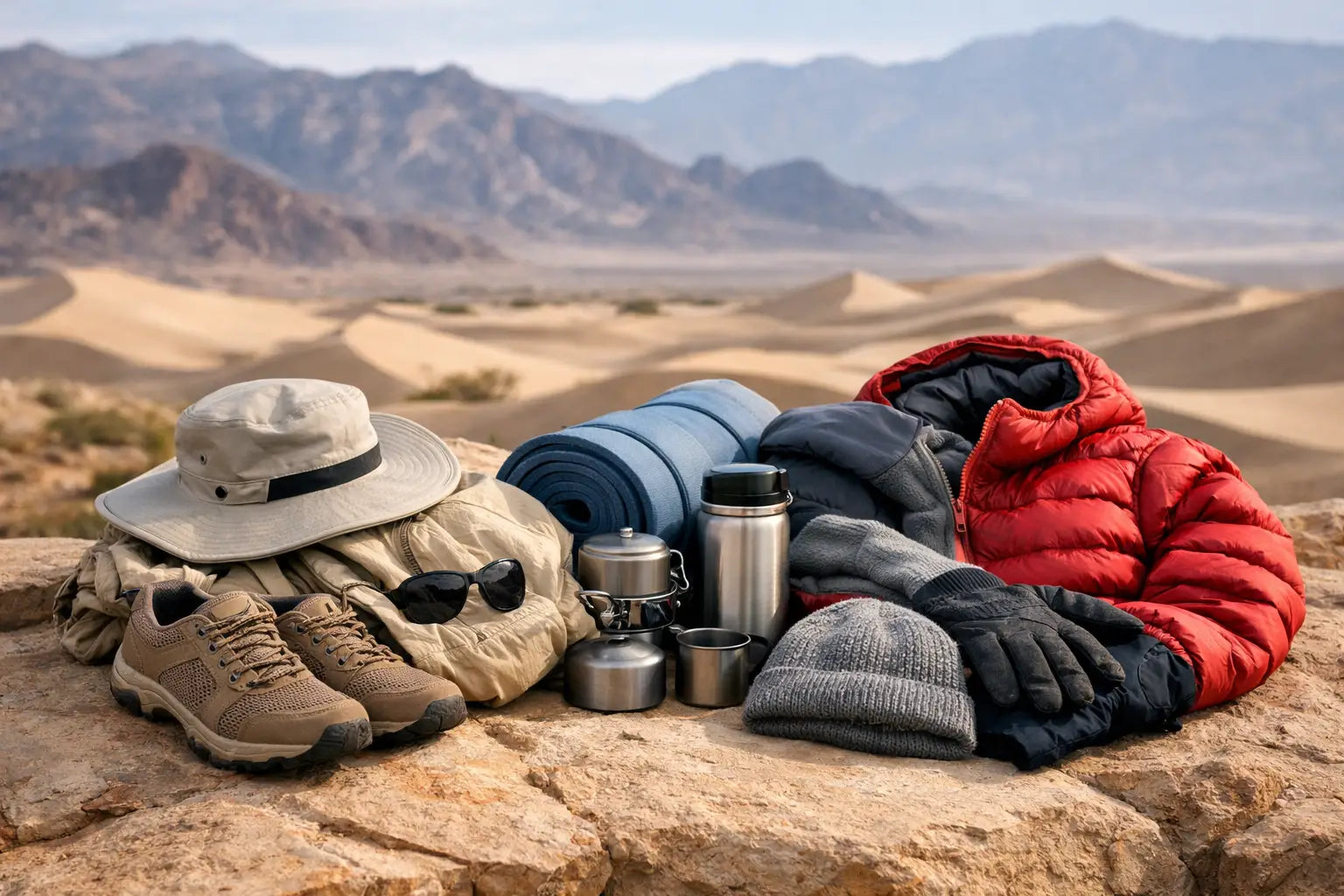
A 95-degree trailhead can turn into a 45-degree camp by morning, especially in Arizona’s higher deserts. Knowing how to pack desert layers means planning for both ends of that swing without loading your pack with clothing you will not use. The goal is simple: protect yourself from sun, wind, cold, dust, and sweat with a compact system that stays useful when conditions change.
Desert layering is not about bringing the heaviest gear you own. It is about choosing pieces that dry fast, work together, and earn their space in your daypack, ruck, vehicle kit, or overnight bag.
Start With the Conditions, Not the Temperature
Do not pack for the forecast high alone. In dry country, direct sun, elevation, wind, and the time you expect to be out matter just as much. A midday off-road repair in the Sonoran Desert calls for more sun coverage and ventilation than insulation. A pre-dawn hunt, winter range day, or high-desert camp near Flagstaff needs a warmer system.
Think through your actual job before choosing layers. Are you hiking under load, sitting in a blind, driving an open UTV, working around camp, or stopping frequently to scout? Movement creates heat. Standing still lets body heat disappear fast once the sun drops or wind picks up.
Also account for exposure. A shaded canyon, ridgeline, open basin, and rocky wash can feel like four different weather zones on the same day. If you will be far from the truck, pack for the part of the route where a delay would be most uncomfortable.
Build Your Desert Layering System
A dependable system starts with four working layers: a moisture-managing base, a sun and abrasion layer, an insulating layer, and a weather shell. You may wear only two at a time, but each one should have a clear job.
1. Wear a moisture-managing base layer
Your base layer sits against the skin, so comfort and drying speed matter. Choose a lightweight synthetic or merino shirt that manages sweat without staying soaked. In hot weather, a long-sleeve shirt often makes more sense than a short-sleeve tee. It protects your arms from direct sun, brush, and straps while reducing the need to constantly apply sunscreen.
Synthetic fabric is usually the practical choice for hard use, repeated washing, and fast drying. Merino controls odor well and can stay comfortable through changing temperatures, but some weights dry more slowly and may not hold up as well against rough brush or repeated pack friction. Either can work. Avoid heavy cotton for active use because it holds moisture, dries slowly, and becomes cold when the temperature falls.
Bring a spare base layer only when the trip justifies it. For an overnight trip, a dry shirt reserved for camp and sleep is worth the space. For a short day hike, it is usually unnecessary unless you expect heavy sweating, water crossings, or a major temperature drop.
2. Use a breathable sun layer
Your next layer should handle sun, dust, light brush, and daily wear. A lightweight button-up field shirt, hooded sun shirt, or durable long-sleeve overshirt works well. Look for breathable fabric, a relaxed fit, and cuffs or a hood that provide coverage when the sun is brutal.
This layer should not trap heat. If it feels clammy during a steady climb, it is too heavy for the job. Venting matters: chest pockets, a partial button front, roll-up sleeves, or a loose weave can make a big difference.
For pants, use the same logic. Lightweight nylon or nylon-blend field pants protect better than shorts in thorny terrain and reduce sun exposure on long drives and hikes. They should allow a full step-up, crouch, and kneel without binding. Thin, fast-drying pants are more useful than heavy canvas in peak summer, while a tougher fabric makes sense for brush, rocks, and range use.
3. Pack insulation for the stop, not the hike
Insulation is what most people either skip or overpack. You generally do not need a thick fleece while moving under a loaded pack in warm daylight. You do need something warm enough for a mechanical problem after sunset, a long glassing session, camp chores, or an unexpected overnight.
A lightweight grid fleece or midweight fleece is durable, breathable, and easy to use around abrasive terrain. A synthetic insulated jacket provides more warmth for its packed size and performs better than down if it gets damp from sweat, condensation, or light precipitation. Down is still a strong option for dry, cold camp conditions, but protect it from punctures and keep it dry.
For most three-season desert trips, one insulating piece is enough. Choose fleece if you will be active in cool wind. Choose synthetic insulation if you need compact warmth while stopped. In winter high desert conditions, carrying both can be justified, especially if you are camping or spending long periods stationary.
4. Add a shell that blocks wind and weather
Wind can turn a comfortable temperature into a problem quickly. A lightweight wind shirt is one of the highest-value layers you can carry because it blocks chill without the bulk of a full rain jacket. It works over a base layer during a cool morning and over insulation after dark.
A waterproof-breathable shell belongs in your kit when monsoon storms, winter precipitation, higher elevations, or long exposure are possible. Do not treat it as a daily heat layer. Most rain shells run warm during hard movement, and wearing one too early can leave you sweaty underneath. Pack it dry, accessible, and sized to fit over your insulation.
How to Pack Desert Layers Without Overpacking
Put the layers you expect to use first where you can reach them without unloading the whole bag. Your wind layer, hat, gloves, and sun protection should be near the top or in an exterior pocket. Insulation and a rain shell can sit deeper in the pack until conditions change.
Use a small stuff sack or packing cube for camp-only clothing. This keeps your dry sleep shirt, insulation, and spare socks separated from dusty gear, food, tools, and hydration equipment. Compression sacks can save room, but do not crush synthetic insulation for weeks at a time. Compress it for travel, then let it loft once you are at camp.
Pack clothing around the rest of your load instead of treating it as an afterthought. Soft layers can cushion a water filter, electronics case, stove, or other hard gear. Keep wet, muddy, or sweat-soaked clothing outside the main compartment when possible. A simple roll-top dry bag or heavy-duty zip bag prevents damp gear from soaking the layers you need later.
Your clothing system also needs to work with your pack. Bulky hoodies, thick seams, and oversized pockets can rub badly under shoulder straps and a hip belt. Test the setup before a long trip. If a layer causes hot spots during a one-mile walk, it will be worse ten miles from the trailhead.
Do Not Forget the Small Layers
The smallest items often make the biggest difference when the weather shifts. A brimmed hat or cap with a sun hood protects your face and neck. Sunglasses reduce eye strain in open desert. A light neck gaiter handles dust, sun, and wind, while a warmer gaiter can help after dark.
Pack gloves based on the task. Lightweight work gloves are useful for handling recovery gear, firewood, hot vehicle parts, cactus country, and rough camp chores. Thin liner gloves are better for cold mornings when you still need dexterity. In colder high-desert conditions, carry both if you have room.
Socks are also part of your layer system. One dry spare pair is cheap insurance on an overnight trip or a long day in hot boots. Choose moisture-wicking socks with enough cushion for your footwear and load. Do not rely on thick socks to fix boots that already fit poorly.
Adjust for Season and Use Case
Summer desert travel is mostly a sun-management problem until evening arrives. Wear a breathable base and sun layer, carry a wind shirt, and add a light insulating layer if you will be out after dark. During monsoon season, include a rain shell even when the morning sky is clear. Storm cells can build quickly, and wind-driven rain cools the body faster than many people expect.
Fall through spring brings wider temperature swings. A base layer, durable overshirt, fleece or synthetic jacket, and wind or rain shell cover most day trips. Overnight, high-elevation, and winter travel may require warmer insulation, a beanie, heavier gloves, and thermal bottoms for camp.
Vehicle-based trips give you more room, but that is not an excuse to pack carelessly. Keep a separate cold-weather bag in the truck for remote travel, then carry a smaller version of the same system when leaving the vehicle. If a breakdown forces you to stay put after sunset, the extra layers become safety gear, not comfort items.
Common Desert Layering Mistakes
The first mistake is wearing all your warm gear early in the day. You sweat, the clothing gets damp, and then you have less effective insulation when you actually need it. Start slightly cool during active movement and add layers during breaks.
The second is relying on a heavy cotton hoodie as the entire cold-weather plan. It is familiar, but it is bulky, slow to dry, and poor at adapting to changing conditions. A lighter fleece or insulated jacket plus a wind shell usually gives better warmth and flexibility.
The third is packing expensive gear without considering durability. Ultralight materials can be excellent, but sharp rock, mesquite, cactus spines, and vehicle work punish fragile fabric. Match the toughness of your layers to the terrain and work you expect them to handle.
A good desert clothing system should disappear into the background. When the wind rises, the temperature falls, or your route takes longer than planned, you should be able to add the right layer quickly and keep moving with confidence.

