

Cart
0
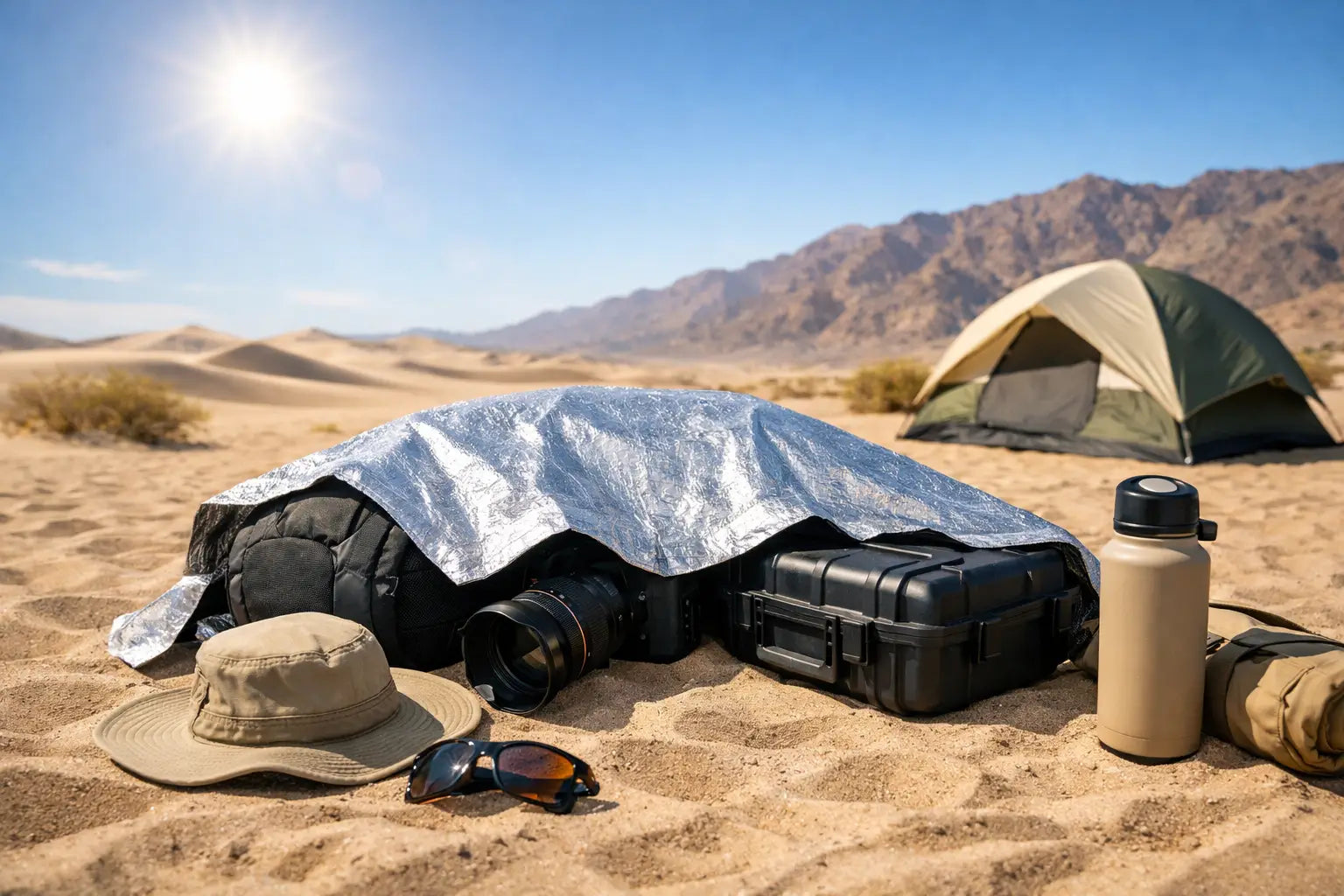
A truck bed full of gear can take a beating before you ever reach the trailhead. In Arizona, a few hours of direct sun can turn a normal storage day into a hard test for plastics, fabrics, rubber, coatings, and adhesives. Knowing how to prevent gear sun damage keeps your equipment functional longer, protects what you paid for, and helps avoid failures when you are far from pavement.
Sun damage is not just faded color. Ultraviolet exposure, high surface temperatures, and repeated heat cycles can make webbing brittle, crack polymer cases, dry out seals, weaken hook-and-loop closures, and reduce the life of protective coatings. Desert dust adds another problem: it works into fabric and moving parts, then holds heat and grinds away at materials.
What Desert Sun Does to Outdoor Gear
UV radiation breaks down many common synthetic materials over time. Nylon, polyester, polypropylene, rubber, vinyl, foam, and some plastics all react differently, but none benefit from long-term exposure. Dark colors often absorb more heat, while light-colored surfaces may stay cooler but can still degrade from UV.
Heat speeds up the process. A black hard case, recovery board, or nylon bag sitting in direct Arizona summer sun can become much hotter than the air temperature. That heat can soften adhesives, warp thin plastic, deform foam inserts, and affect batteries or electronics stored inside.
The damage usually starts small. You may notice faded fabric, a chalky look on plastic, stiff straps, or rubber that feels dry instead of flexible. Those are warning signs, not cosmetic details. A sun-weakened tie-down strap, hydration bladder hose, or polymer buckle is not something to trust on a remote run.
How to Prevent Gear Sun Damage Before It Starts
The most effective protection is simple: reduce direct exposure whenever gear is not actively being used. Desert gear is built to work outside, but it does not need to live uncovered in the sun every day.
Store Gear Out of Direct Sun
A garage, shed, enclosed trailer, closet, or vehicle cargo area is better than a patio, open truck bed, or roof rack. The storage area should be dry and reasonably ventilated. A sealed plastic tote left in a blazing shed can trap enough heat to create a different problem, especially for adhesives, batteries, and coated fabrics.
For gear that must stay in a vehicle, use the coolest practical location. Under-seat storage, a covered cargo compartment, or a reflective storage bag is better than the dashboard, rear window area, or exposed truck bed. Remove sensitive items such as batteries, medical supplies, optics, headlamps, GPS units, and hydration reservoirs when the vehicle will sit in the heat.
If you keep recovery gear, tools, or camp equipment in an open bed, use a fitted tonneau cover, truck cap, lockable bed box, or UV-resistant gear bag. A cover is not perfect, but blocking direct sun makes a major difference.
Use Covers That Fit the Job
A loose tarp can protect equipment in a pinch, but it may trap heat and moisture if it is wrapped tightly around gear for long periods. Use breathable covers for items such as packs, camp furniture, rooftop equipment, and stored vehicles. For hard cases and bed-mounted equipment, a properly fitted cover or shaded storage box is usually the better choice.
At camp, create shade before unloading sensitive gear. Set up an awning, canopy, or shade tarp early, then place coolers, electronics, packs, fuel can accessories, and recovery equipment underneath. This also keeps gear more comfortable to handle when you need it.
Avoid leaving binoculars, scopes, camera lenses, flashlights, or electronic displays exposed on a table or vehicle hood. Beyond heat damage, reflective lenses can become a safety hazard in dry grass or brush.
Buy Materials That Match the Desert
Material choice matters when you are replacing or upgrading equipment. Look for gear advertised as UV-resistant, UV-stabilized, solution-dyed, weather-resistant, or made for marine, overland, or industrial use. Those labels are not guarantees, but they are stronger starting points than lightweight general-purpose gear intended for occasional use.
For straps, packs, and shelters, tightly woven polyester often handles extended UV exposure better than untreated nylon, though construction quality still matters. For storage, thick UV-stabilized polymer cases generally hold up better than thin bargain-bin plastic. Metal equipment is not immune either: powder-coated steel, aluminum, and stainless hardware need care to prevent finish breakdown and corrosion where coatings are chipped.
There is a trade-off. Heavy-duty gear often weighs more and costs more. For an item that stays in the garage and comes out twice a year, that may not be necessary. For recovery gear, vehicle-mounted storage, field packs, and camp equipment that see regular desert exposure, buying for heat and UV resistance is usually cheaper than replacing failed equipment later.
Clean Dust Before It Becomes Wear
Dust is part of desert use, but leaving it on your gear speeds up wear. Fine grit can abrade fabric fibers, jam zippers, scratch lenses, and settle into seams where it holds moisture after a monsoon storm or washdown.
After a trip, shake out packs and soft cases, brush off dry mud, and wipe down hard surfaces with a damp cloth. Use mild soap and water for most gear unless the manufacturer specifies otherwise. Harsh degreasers, bleach, petroleum solvents, and alcohol-heavy cleaners can strip coatings or dry out rubber and plastics.
Let gear dry completely in the shade before packing it away. Drying wet equipment in full sun may seem efficient, but repeated high-heat drying is rough on coated fabric, elastic, foam, and adhesives. Good airflow and indirect light are the safer choice.
Pay attention to the parts that usually get ignored: zipper tracks, buckle springs, hook-and-loop panels, rubber feet, straps, and case seals. These small components often fail first, and they can make an otherwise solid piece of gear useless.
Use Protectants Carefully, Not Automatically
Some materials benefit from the right protectant. Rubber seals, exterior plastic trim, vinyl surfaces, and certain hard cases may last longer with a UV protectant designed for that material. Apply it to a clean surface and follow the product directions. More is not better, especially if it leaves a slick finish on grips, handles, straps, or vehicle recovery equipment.
Fabric protectants can help water resistance on tents, awnings, packs, and covers, but use a product compatible with the fabric and its existing coating. Do not spray every piece of gear with the same treatment. A protectant that works on vinyl may stain nylon or interfere with a waterproof membrane.
For leather boots, gloves, and knife sheaths, use a conditioner made for leather. Desert heat can dry leather quickly, but over-conditioning can soften it too much or attract dust. Clean it, condition it lightly, and store it out of direct sun.
Protect Batteries, Optics, and Electronics First
Heat-sensitive gear deserves stricter rules. High temperatures can shorten battery life, cause battery swelling, degrade screens, and affect electronics long before the outside of the device looks damaged. Never leave spare lithium batteries, power stations, radios, GPS units, or action cameras in a parked vehicle during extreme heat if you can avoid it.
Optics need protection from both heat and abrasion. Keep binoculars, rangefinders, scopes, and cameras in padded cases when not in use. Use lens caps, clean dust with a blower or soft brush before wiping, and avoid placing optics directly on hot rock, metal, or a truck hood.
Hydration gear should also stay shaded. UV can weaken clear tubing and reservoirs over time, while heat makes water unpleasant and encourages bacterial growth if the system is not cleaned and dried properly after use.
Build a Quick Post-Trip Inspection Habit
You do not need a long maintenance checklist after every outing. A five-minute inspection catches most problems before the next trip. Check straps for fading, fraying, stiffness, or damaged stitching. Flex rubber components and inspect plastic buckles for cracks or whitening. Open hard cases and look at seals, hinges, and foam.
For vehicle-mounted gear, inspect mounting straps, bolts, locks, and protective coatings. Sun exposure often affects the soft parts first, but vibration and rough roads can turn a minor weak point into a failure. Replace questionable tie-downs, elastic cords, and cracked buckles before they are asked to carry a load.
Arizona Desert Gear is built around the reality that desert equipment is not treated gently. A little shade, smart storage, regular cleaning, and material-aware maintenance will keep your gear ready for the next trail, range day, or backcountry camp instead of baking itself into early retirement.

