

Cart
0
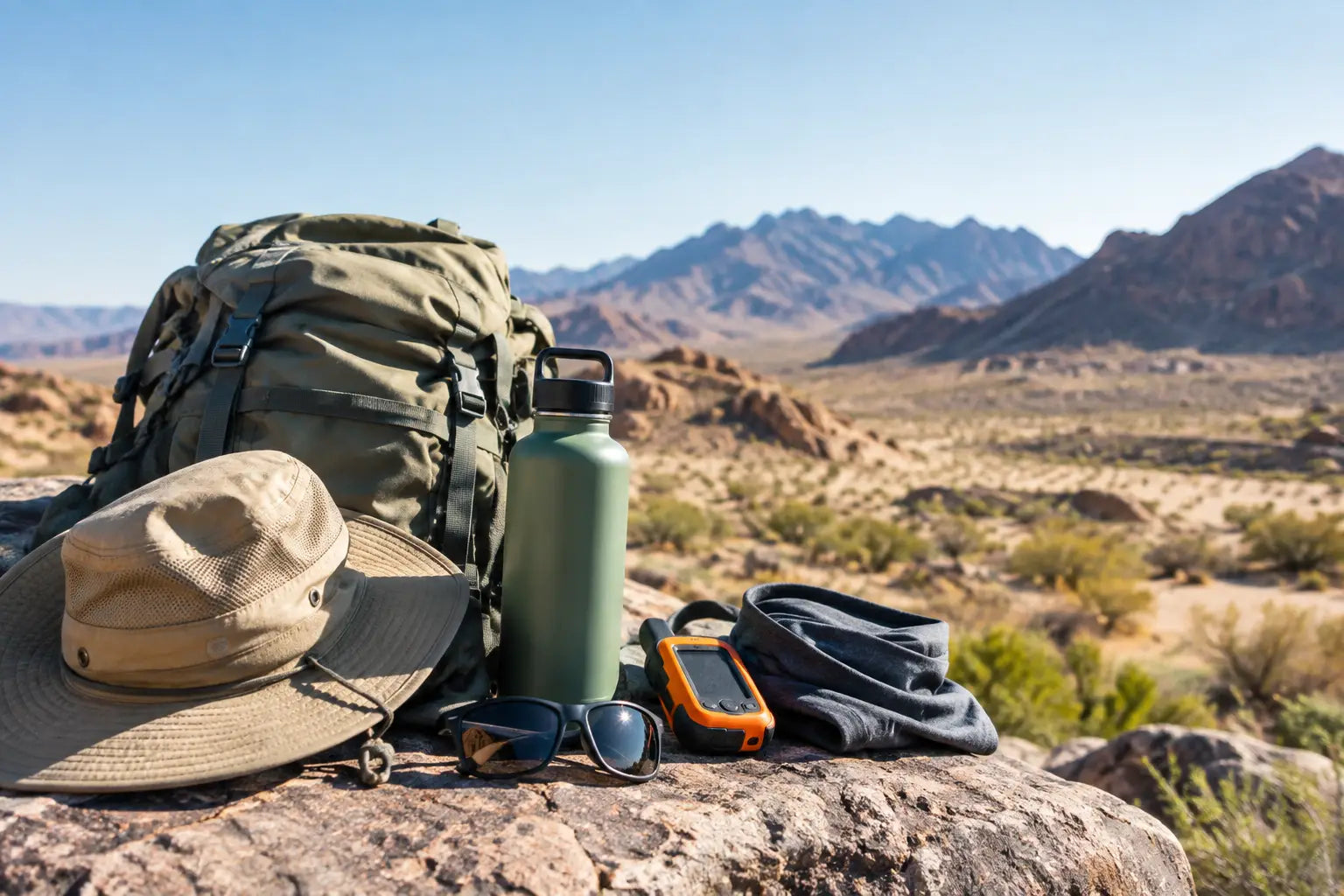
A flat tire outside Lake Pleasant, a wrong turn on a two-track, or a short hike that runs past sunset can turn serious fast when the temperature is pushing triple digits. Desert safety is not about carrying the most gear. It is about carrying the right gear, knowing your limits, and giving yourself enough margin when heat, distance, and rough terrain start working against you.
The Southwest rewards preparation and punishes assumptions. Cell coverage fades, water sources are unreliable, and a vehicle that runs fine in town can overheat or get stuck miles from pavement. Build your loadout around the conditions you will actually face, not the best-case plan.
Desert Safety Starts With Water and a Heat Plan
Water is the first item to plan, not the last thing to toss in the truck. For a full day outdoors, a gallon per person is a reasonable starting point in hot conditions. That number needs to go up for strenuous hiking, recovery work, long off-road travel, high heat, dogs, and any trip where a delay is possible.
Do not rely on one large container alone. Divide water between a cooler, vehicle jugs, and personal bottles or hydration bladders. If one container leaks, gets left behind, or becomes inaccessible after a breakdown, you still have reserves. Keep drinking water separate from water intended for radiator emergencies or cleanup.
Electrolytes have a place, especially when you are sweating hard for hours, but they do not replace water. Avoid treating thirst as the only signal. By the time you feel severely thirsty, you may already be behind. Take regular drinks, eat normally, and slow the pace before your body starts sending stronger warnings.
Heat illness can build quietly. Headache, nausea, dizziness, unusual fatigue, cramping, confusion, and a fast pulse are all reasons to stop, get into shade, cool down, and assess the situation. Confusion, fainting, hot skin, or altered behavior can indicate a life-threatening emergency. Start active cooling immediately, use shade and available water, and call for emergency help if communication is available.
Build Shade Into Your Desert Safety Plan
The sun is not just uncomfortable. It drains water, energy, and decision-making ability. A broad-brim hat, UV-rated sunglasses, lightweight long sleeves, and breathable pants provide more dependable protection than a heavy layer of sunscreen alone. Sunscreen still matters, particularly on exposed skin, but it must be reapplied after sweat and time in the sun.
For vehicle-based trips, carry a real shade option. A tarp, awning, pop-up shelter, or even a compact reflective sunshade can make a broken-down vehicle or a trail stop far more manageable. The best choice depends on space and how you travel, but the objective is the same: create shade without forcing someone to sit inside a hot vehicle.
Plan your movement around the heat whenever possible. Early starts and late-day travel reduce exposure and can make a route safer and more enjoyable. Midday is the wrong time to prove how tough you are. If the forecast is extreme, shorten the route, pick a closer destination, or reschedule.
Navigation Is More Than a Phone
Your phone is useful until it overheats, loses signal, runs out of battery, or takes a hard fall. Download offline maps before leaving town, then bring a backup that does not depend on a signal. That can be a dedicated GPS unit, paper map, compass, or preferably a combination of those tools.
Know the route before tires hit dirt. Check distances, fuel stops, trail difficulty, closures, weather, and whether the road crosses washes. Desert roads can change quickly after rain. A route that looked simple on a map may include deep ruts, loose rock, soft sand, gates, or a washout.
Leave a trip plan with someone who is not coming along. Include where you are going, your route, the vehicles involved, who is with you, and when you expect to return. Set a check-in time and make it clear when they should contact authorities if they do not hear from you. This is basic preparation, not overkill.
For remote routes, a satellite communicator or personal locator beacon adds meaningful backup. These tools are not a substitute for sound decisions, but they can be the difference between a difficult delay and a rescue that starts too late.
Prepare Your Vehicle for the Terrain
A desert vehicle needs more than a full tank and good intentions. Start with tires that are in good condition, including the spare. Carry a jack that works on uneven ground, a lug wrench that fits, tire plugs, an inflator, and a tire pressure gauge. Soft sand, sharp rock, and long washboard roads expose weak points quickly.
Recovery gear should match the vehicle and the terrain. At minimum, consider a recovery strap or kinetic rope rated for the job, properly rated recovery points, gloves, a shovel, traction boards, and basic tools. Do not attach recovery gear to a trailer ball or an unverified tie-down point. Recovery equipment stores energy under load and can cause severe injury when used incorrectly.
Heat is hard on engines, batteries, and cooling systems. Check coolant, oil, belts, hoses, battery condition, and tire pressure before a longer trip. Bring spare fluids appropriate for your vehicle, but do not open a hot radiator cap. If the engine is overheating, pull over safely, shut down as needed, and give the system time to cool.
Fuel deserves the same attention as water. Remote travel, low-range driving, deep sand, idling for recovery, and detours use more fuel than highway miles. Fill up before entering a remote area and carry extra fuel only in approved containers, secured outside the passenger area when possible.
Pack a Field Kit You Can Actually Use
A first-aid kit should be more than a few adhesive bandages. Desert trips call for supplies that address cuts, blisters, burns, sprains, insect stings, and serious bleeding. Include personal medications and make sure someone in the group knows where the kit is and how to use its critical items.
Carry a headlamp, even if you expect to be back before dark. Add extra batteries or a power bank. Nightfall comes quickly in canyons and washes, and vehicle repairs take longer when you are working by flashlight. A whistle, signal mirror, fire starter, emergency blanket, and durable knife are small items with real value when plans change.
Food is not as urgent as water, but it matters on long days and unplanned delays. Pack calorie-dense, heat-tolerant food that does not require cooking. Keep some out of direct sun. A melted snack is annoying; a leaking food container that attracts insects inside the vehicle is worse.
Arizona Desert Gear customers often build kits around their main use case: an overland truck, a range bag, an ATV, or a day-hike pack. That is the right approach, as long as the essentials are not trapped in one place. Keep a basic personal kit on your body or in your daypack, with larger water, recovery, and shelter equipment in the vehicle.
Watch Weather, Wildlife, and Ground Conditions
Desert weather is not always dry. Monsoon storms can create lightning, flash flooding, mud, and fast-moving water in washes. Never drive or walk into a flooded wash because it looks shallow. Water depth, current, and road damage are difficult to judge from the driver’s seat.
Watch where you step, reach, and sit. Snakes, scorpions, spiders, and other wildlife generally want to be left alone. Use a light at night, shake out footwear left on the ground, and avoid placing hands where you cannot see. If bitten or stung, move away from the animal, stay calm, limit exertion, and seek medical guidance promptly.
Loose rock and cactus add their own problems. Wear footwear with real traction and protection, not casual sandals, on rough terrain. Keep a small pair of tweezers in the first-aid kit for minor cactus spines, but do not turn a serious puncture, fall, or allergic reaction into a field experiment. Know when it is time to get help.
Make Conservative Decisions Early
Most desert emergencies begin as manageable inconveniences: a missed turn, a low fuel warning, a rising temperature gauge, or a hiker who is moving slower than expected. The safest response is usually early and boring. Turn around, stop for shade, air down before the sand gets deep, or camp where you are instead of pushing through darkness.
Good desert safety is not about acting fearless. It is about returning with your people, your vehicle, and your gear in good shape. Pack for the conditions, tell someone where you are headed, and leave enough water, daylight, fuel, and energy for the part of the trip that does not go according to plan.

