

Cart
0
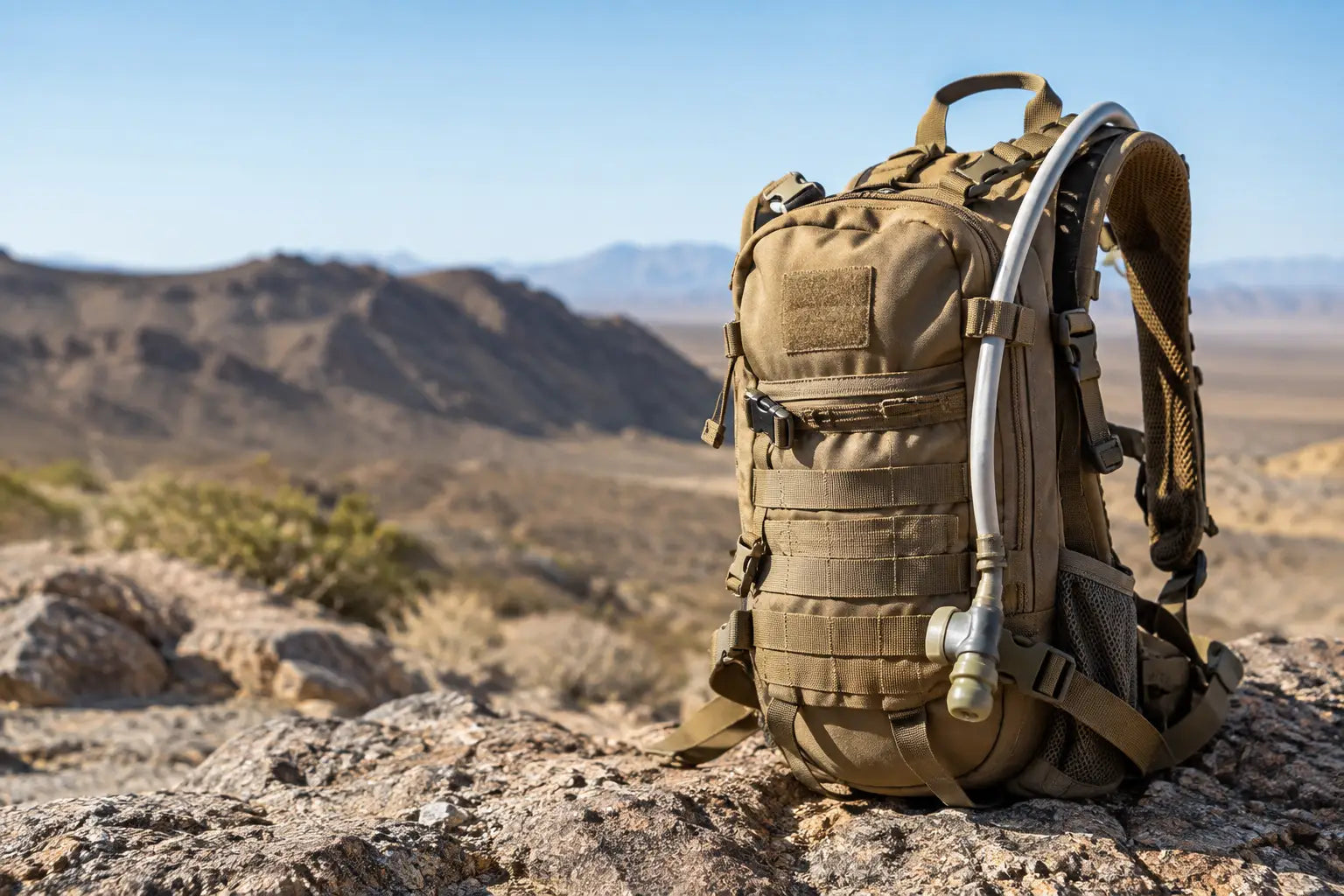
A tactical hydration pack review for Arizona use starts with one question: will it keep water accessible and wearable when the trail is hot, the road is rough, and shade is nowhere close? In the desert, a pack is not just a way to carry a bladder. It has to manage weight, resist abrasion, keep its shape, and work when you are wearing a chest rig, driving an off-road vehicle, or moving across exposed ground.
A tactical-style pack can be a smart choice because it usually brings tougher fabrics, better mounting options, and more secure organization than a basic running reservoir. That does not automatically make every tactical pack right for the job. Some are too heavy, some carry poorly once loaded, and some add pouches you may never use. The best choice depends on how far you travel, how much gear you carry, and how much water you need between reliable refill points.
Tactical Hydration Pack Review: What Matters Most
The bladder is the working part of the system. Look beyond the stated capacity and inspect the details that affect use in the field. A wide-mouth opening is easier to fill from a water jug, add ice to, and clean after a dusty weekend. A bladder with a rigid or semi-rigid backplate is less likely to fold over as it empties, which makes it easier to keep drinking during a long hike or vehicle recovery job.
Two or three liters is the common range. A 2-liter bladder keeps bulk and weight down for range sessions, short hikes, and day trips where extra water is stored in the vehicle. A 3-liter bladder makes more sense when you are walking farther from the trailhead, covering ground in dry heat, or carrying water for a remote task. Remember that three liters of water weighs more than six pounds before the pack, tools, snacks, or first-aid supplies are added.
The hose and bite valve deserve the same attention as the reservoir. A hose that routes cleanly over either shoulder lets you set up the pack around your preferred sling, rifle orientation, or vehicle seat position. A positive shutoff valve helps prevent leaks when the pack gets tossed into a truck bed or strapped to a rack. A dust cover is useful in Arizona, where fine grit can work into anything left exposed.
Insulation is helpful, but it has limits. An insulated hose sleeve slows heat gain; it does not turn a hydration pack into a cooler. Water left in direct sun will warm up fast regardless of the pack material. For the best result, start with cold water, add ice when practical, keep the pack out of direct sunlight during stops, and carry a separate reserve of drinking water in the vehicle.
Fit Under Real Field Load
An empty pack can feel comfortable in a store and become a nuisance once it holds a full bladder. The weight should sit high and close to your back without pulling your shoulders rearward. Adjustable shoulder straps matter, but a sternum strap is what often keeps the pack from shifting over uneven terrain. If you hike with a heavier load, a waist strap can reduce bounce and stabilize the pack.
Pay close attention to the back panel. Mesh padding can improve airflow slightly, but no backpack stays cool against your back during a 100-degree afternoon. The more realistic goal is a panel that does not become slick, abrasive, or uncomfortable when your shirt is wet with sweat. Flat, low-profile padding often works better than thick padding that holds heat and pushes the load away from your body.
For range use, check how the pack works with armor or a chest rig. A thick, overbuilt harness can stack badly with shoulder straps from other gear. A low-profile hydration carrier with clean strap routing may be the better setup when mobility and a consistent rifle mount matter more than extra storage.
Storage, Materials, and Layout
Tactical hydration packs often use nylon fabrics and webbing that stand up well to brush, rock, and frequent loading. That toughness has a trade-off: heavier fabric and added webbing increase pack weight. For a short walk from a parked vehicle, that may not matter. On a longer hike, unnecessary ounces become noticeable quickly.
A useful pack does not need a wall of pockets. It needs storage that matches the mission. A small front compartment can hold a phone, map, headlamp, sunscreen, and electrolyte packets. A larger pocket is useful for a light layer, gloves, compact first-aid kit, and a few basic field items. If you carry tools, recovery gear, or extra magazines, make sure the pack has enough structure that those items do not jab into the bladder or your back.
External webbing is valuable when it serves a purpose. It can secure a tourniquet pouch, small utility pouch, or lightweight outer layer. It can also catch on mesquite, snag seatbelts, and create extra bulk. Choose webbing attachment points based on what you actually carry, not on how much gear can theoretically be attached.
Zippers should operate smoothly with dusty hands and have pulls large enough to grab with gloves. Buckles should feel solid without being difficult to release. Stitching around shoulder straps, carry handles, and bladder hang points should be clean and reinforced. These are the areas that take repeated stress when the reservoir is full.
Pack Size Should Match the Job
A compact hydration carrier is usually enough for a range day, trail ride, or short hike where supplies stay close by. It keeps water on your back and leaves your hands free without encouraging you to overpack. This is also the better choice for riding in an off-road vehicle, where a thick pack can make seat positioning awkward.
A medium day pack works better for all-day trail use, scouting, or travel away from the vehicle. The extra room supports food, a medical kit, navigation tools, sun protection, and a light insulating layer for changing desert temperatures. It is the practical middle ground for most people who need water plus field essentials.
Large packs with hydration sleeves make sense for extended hikes, overnight use, or overlanding trips where the pack may become a grab-and-go loadout. They are not automatically better for hot weather. A large pack invites more weight, and too much weight turns a water carrier into a burden. If you do not need the volume, leave it behind.
Heat and Dust Testing Before You Rely on It
Do not wait for a backcountry trip to find a leak or poor fit. Fill the reservoir completely at home, hang the pack by its handle, and inspect the cap, hose connection, and bite valve after several hours. Then wear it for a walk with the load full. Adjust the straps until the pack stays stable without restricting chest movement.
Clean the bladder before its first use and after trips, especially if you use electrolyte mixes. Plain water is easiest on the system. Sugary drink mixes can leave residue in the hose and valve, which creates odor and makes cleaning more important. Let every component dry fully before storage. Desert dust gets into pack pockets, but moisture left inside a bladder causes the bigger problem.
If your route involves extreme heat, treat the pack as one part of your water plan. Carry more water than the bladder alone, know where refills are available, and avoid assuming a reservoir will cover an entire day. In remote Arizona country, the extra water in the vehicle is often more valuable than another pouch on the pack.
The Right Choice Is Usually the Simpler One
A good tactical hydration pack should carry enough water, stay put while you move, and tolerate the abuse of hot, dry terrain. It should not force you to carry more weight than the trip requires. For many desert users, the right setup is a durable 2- or 3-liter bladder, a low-profile pack with useful storage, and reliable hardware that will not quit after a season of sun and dust.
Arizona Desert Gear focuses on equipment that earns its place in rough conditions, and hydration gear should meet that same standard. Pick the pack that fits your real routine, test it loaded before leaving pavement, and keep a separate water reserve where you can reach it. When the temperature climbs, simple, dependable gear is the gear you will be glad to have.
